

Dog bite injuries often increase during spring and summer, when Idaho children spend more time outdoors and families gather in parks, backyards, campgrounds, and neighborhoods. More time around dogs creates more chances for a bite, especially when a dog feels frightened, crowded, injured, protective, or overstimulated.
Children face a greater risk of serious injury because they may not recognize a dog’s warning signs and are more likely to suffer bites to the face, head, neck, hands, and upper body. Families can reduce the risk through close supervision, clear safety rules, and respectful interactions with every dog, including familiar pets.
After a bite, move the injured person to safety, wash the wound, seek medical guidance, identify the dog and owner, report the incident, and preserve evidence. Idaho law may allow an injured person to pursue compensation from a dog owner, custodian, property owner, or insurer, depending on the facts.






Why Dog Bites Become More Common During Summer 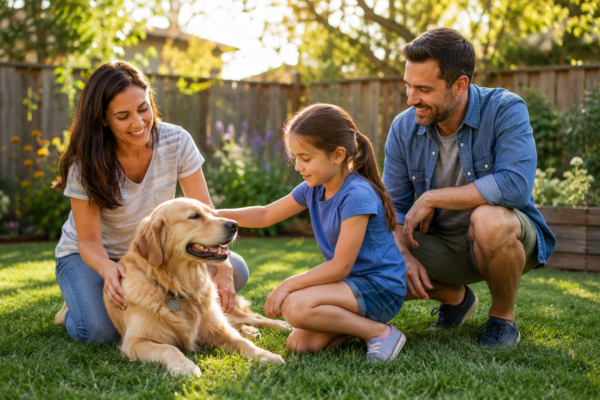
Summer creates more contact between people and dogs. Children are out of school, families spend longer hours outside, and dogs are more likely to be present at barbecues, parks, lakes, trails, neighborhood gatherings, and vacation rentals.
Research on pediatric dog bite injuries has found seasonal increases during spring and summer. Warm weather also brings more outdoor activity, open gates, crowded events, travel, and unfamiliar interactions. These conditions can place a dog in a stressful setting or bring a child too close to a dog that wants space.
Common summer situations that may increase dog bite risk include:
- Children running, shouting, or playing near an unfamiliar dog
- Guests entering a yard where a dog is loose
- Dogs guarding food, toys, puppies, or resting areas
- Pets reacting to heat, noise, crowds, fireworks, or travel
- Children attempting to hug, climb on, chase, or wake a dog
- Dogs escaping through open gates during parties or neighborhood activity
- Adults becoming distracted while children and dogs interact
Any dog can bite. A dog does not need a history of aggression before it can react to fear, pain, surprise, confinement, or unwanted contact.






Why Children Face a Greater Dog Bite Risk
Children may have difficulty recognizing canine body language. A child may view a wagging tail as permission to approach even when the dog’s posture shows tension or uncertainty. Young children are also more likely to move quickly, make direct eye contact, reach toward a dog’s face, or approach while the dog is eating or sleeping.
The American Veterinary Medical Association states that about half of dog bite victims are children. The Centers for Disease Control and Prevention advises adults to supervise young children around dogs, including trusted family pets.
Because children are shorter, a bite may affect the face, head, neck, hands, or upper body. Injuries can involve puncture wounds, torn tissue, infection, nerve damage, scarring, or emotional trauma. Some children may need stitches, scar treatment, reconstructive care, or counseling.
Close supervision protects children and dogs. An adult should be close enough to stop unsafe contact before a bite occurs.
Dog Warning Signs Idaho Families Should Recognize
Dogs often communicate discomfort before biting. Children may not understand those signals, so adults should watch the dog’s entire body and end the interaction when warning signs appear.
Possible warning signs include:
- A stiff or frozen body
- Growling, snarling, or showing teeth
- Ears pinned back
- Repeated lip licking or yawning
- Turning the head or body away
- A tucked tail
- Raised fur along the back
- Retreating behind furniture or a person
- Guarding food, toys, puppies, or a resting place
- Hard staring
- Showing the whites of the eyes
- Repeated attempts to leave the area
A quiet dog is not always a comfortable dog. Freezing, looking away, hiding, or attempting to retreat may signal fear or stress. Adults should give the dog space instead of forcing more contact.
Summer Dog Safety Rules for Children
Families can reduce dog bite risks by teaching children short, consistent rules.
Children should be taught to:
- Ask an adult and the dog owner before approaching or petting a dog
- Let the dog choose whether to approach
- Keep their face away from the dog’s face
- Pet gently on the shoulder, chest, or back
- Leave dogs alone while they are eating, sleeping, injured, or caring for puppies
- Never pull ears, tails, fur, or collars
- Never climb on, corner, chase, tease, or hit a dog
- Stand still and remain calm if a loose dog approaches
- Avoid running away, screaming, or making sudden movements
- Tell an adult immediately if a dog growls, snaps, lunges, or frightens them
Dog owners should keep gates closed, use secure leashes, and separate a nervous or overstimulated dog from children and guests. A quiet room or secure enclosure can give the dog space during gatherings.
What to Do Immediately After a Dog Bite
A dog bite can be frightening, especially when a child is injured. The first priorities are safety and medical care.
Move away from the dog. Call 911 when there is severe bleeding, a deep wound, major tissue damage, an injury to the face or neck, loss of movement or sensation, or another medical emergency.
Wash the wound with soap and water. Apply clean pressure to control bleeding. Seek prompt medical guidance because puncture wounds can appear small while damaging deeper tissue. A medical professional can assess infection risk, tetanus protection, rabies exposure, and the need for wound closure or follow-up care.
Families should also:
- Identify the dog and its owner or custodian
- Request contact and insurance information
- Ask for the dog’s vaccination information
- Photograph the injuries, damaged clothing, and location
- Obtain names and contact information from witnesses
- Report the bite to the appropriate local animal control or law enforcement agency
- Keep medical records, receipts, discharge papers, and written instructions
- Preserve damaged clothing and other physical evidence
- Avoid a recorded insurance statement until the family understands the claim
Read the full guide on steps to take immediately after a dog bite in Idaho:
https://hepworthholzer.com/2024/06/20/steps-to-take-immediately-after-a-dog-bite-in-idaho/
Families can also review the Idaho Dog Bite Guide:
https://hepworthholzer.com/2020/09/16/idaho-dog-bite-guide/
Rules of a Personal Injury Claim Choosing a Personal Injury AttorneyRelated Videos
How Idaho Dog Bite Liability Works
Idaho Code section 25-2810 addresses dangerous and at-risk dogs. Under subsection 11, a dog that physically attacks, wounds, bites, or otherwise injures a person who is not trespassing and who did not provoke the dog can subject the owner, possessor, harborer, or custodian to civil liability for the injuries.
A prior bite is not always required. The statute states that liability does not depend on whether the dog was previously classified as dangerous or at risk.
Dog bite cases may involve questions such as:
- Who owned, possessed, harbored, or controlled the dog?
- Was the injured person in a public place or lawfully on private property?
- Did the injured person provoke the dog?
- Did the owner violate a leash, confinement, or animal control rule?
- Did another person or business have responsibility for the property or dog?
- What insurance policy may cover the injury?
- What medical care and future treatment will the injured person need?
Each case depends on its evidence. Local ordinances, property conditions, insurance language, and the conduct of the people involved can affect the analysis.
Learn more from the Boise dog bite lawyers at Hepworth Holzer, LLP:
https://hepworthholzer.com/boise-dog-bite-lawyers/
Potential Compensation After a Dog Bite Injury
A dog bite claim may seek compensation for losses caused by the attack. The available damages depend on the injury, treatment, recovery, evidence, and long-term effects.
Possible damages may include:
- Emergency care and hospital bills
- Follow-up appointments
- Medication and infection treatment
- Plastic surgery or scar revision
- Counseling for anxiety or trauma
- Lost income for an injured adult
- Lost income for a parent who must care for an injured child
- Pain, discomfort, and emotional distress
- Permanent scarring or disfigurement
- Future medical or psychological care
Medical documentation can help show how the injury affected the child or adult. Attend follow-up visits and tell medical providers about pain, numbness, reduced movement, sleep problems, fear of dogs, anxiety, or behavioral changes.
Read more about what to expect after an injury:
https://hepworthholzer.com/2022/01/24/what-to-expect-after-an-injury/
Verdicts & Settlements
Insurance Issues in Idaho Dog Bite Claims
Dog bite claims may involve homeowners, renters, landlords, or commercial liability insurance. Coverage can depend on the policy, the incident location, the relationship between the dog and the insured person, exclusions, and other facts.
An insurer may ask for a recorded statement, medical authorization, photographs, or an early settlement. Families should understand the extent of the injuries before resolving a claim. Scarring, nerve damage, infection, reduced movement, or emotional symptoms may become clearer as recovery continues.
An attorney can investigate coverage, collect evidence, communicate with insurers, and evaluate whether a proposed settlement addresses current and future losses.
The Idaho Personal Injury Guide explains medical care, insurance claims, and case preparation:
https://hepworthholzer.com/2020/09/16/idaho-personal-injury-guide/
How Parents Can Support a Child’s Recovery
A child’s recovery may involve more than wound care. Parents should watch for nightmares, fear of outdoor play, avoidance of animals, sleep changes, withdrawal, anxiety, or distress near the location where the bite occurred.
Helpful steps may include:
- Following the child’s medical treatment plan
- Asking medical providers about scar care and infection warning signs
- Requesting a referral when emotional symptoms continue
- Keeping a private journal of symptoms and appointments
- Photographing the healing process at regular intervals
- Preserving damaged clothing and other evidence
- Keeping copies of bills, receipts, and missed-work records
- Avoiding social media posts about the incident or claim
These records can help medical providers understand the child’s recovery and may help document the full effect of the injury.
Speak With an Idaho Dog Bite Attorney
A serious dog bite can leave your family managing medical treatment, insurance questions, missed work, emotional distress, and concern about lasting scars.
Hepworth Holzer, LLP represents injured people in Boise, Meridian, and communities across Idaho. The firm offers consultations at no charge and can review potential insurance coverage, filing deadlines, evidence, and the legal options available for your situation.
Call (208) 328-6998 or visit:
https://hepworthholzer.com/boise-dog-bite-lawyers/
This article provides general information and is not legal advice. Speak with an attorney about your specific circumstances.

 |
 |