




7 Mistakes That Ruin Personal Injury Cases
Get our FREE guide and find out how you can protect your rights with Hepworth Holzer, LLP
Our Idaho Personal Injury Lawyers






Idaho Head-On Motorcycle Collision Lawyers
A head-on crash between a car and a motorcycle combines the worst physics with the least protection — the results are almost always catastrophic
A head-on collision between a vehicle and a motorcycle is one of the most violent and injurious crash types on Idaho’s roads. When a car crosses the centerline at highway speed and strikes a motorcycle head-on, the combined closing speed doubles the effective impact energy. The rider — with no crumple zone, no door structure, and only a helmet and riding gear between them and the oncoming vehicle — absorbs what a modern car’s airbags, crumple zones, and seatbelts are specifically designed to prevent. The injuries that result are catastrophic: spinal cord damage, traumatic brain injury, severe lower-extremity fractures, internal bleeding, and wrongful death. If you or a family member survived a head-on motorcycle crash in Boise, Meridian, Nampa, Eagle, Caldwell, or anywhere in Idaho, or if you lost someone in one of these crashes, we are here to help. Call us for a free consultation.
Head-on motorcycle crashes in Idaho concentrate on the rural two-lane corridors that make the state both beautiful and dangerous for riders. SH-55 between Eagle and McCall, SH-21 toward Idaho City, US-95 through central and north-central Idaho, and US-20 through Camas Prairie are the roads where our firm sees head-on motorcycle crashes most often — two-lane roads with limited passing zones, mixed traffic of locals and unfamiliar recreational riders, and speeds that leave almost no margin for a driver who crosses the centerline. For a full overview of how we handle motorcycle injury claims throughout Idaho, see our main motorcycle practice page.
Hepworth Holzer also helps residents of Idaho with Personal Injury Matters in: Ada County, Caldwell, Canyon County, Eagle, Garden City, Gem County, Kuna, Meridian, Nampa and Star.
How Head-On Motorcycle Crashes Happen in Idaho
Three patterns repeat in the head-on motorcycle cases our firm handles:
Unsafe passing on two-lane roads. A driver attempts to pass a slower vehicle on a two-lane highway and misjudges the distance or speed of an oncoming motorcycle. Because motorcycles are narrower and often perceived as farther away and slower than they actually are, passing drivers routinely make this miscalculation with a motorcycle in a way they would not with an oncoming car. The motorcycle is in its lane, traveling lawfully, and has nowhere to go. Idaho Code Section 49-634 and the surrounding passing statutes require a driver to verify the oncoming lane is clearly visible and free of oncoming traffic for sufficient distance to complete the pass safely. Crossing a double-yellow line to pass is a statutory violation under Idaho Code Section 49-636 that constitutes negligence per se in a civil case.
Wrong-way or centerline-crossing by an impaired driver. Impaired drivers disproportionately cause head-on crashes because alcohol and drugs reduce lane-tracking ability, impair judgment about vehicle position, and eliminate the instinctive correction responses that keep sober drivers within their lane. A DUI driver who drifts across the centerline and strikes a motorcycle head-on faces both criminal charges and a civil claim with exceptional damages exposure — punitive damages, uncapped non-economic recovery, and potential dram shop liability.
Distracted or fatigued driver crossing the centerline. A driver who looks down at a phone, reaches for something in the vehicle, or falls asleep for a second crosses the centerline without warning. The motorcycle has no time to respond. Idaho Code Section 49-1401A’s hands-free requirement is directly applicable when phone distraction caused the lane departure. We subpoena cell phone carrier records early in these cases. For the full distracted driving evidence strategy, see our page on distracted driver motorcycle accidents in Idaho.
Idaho’s Lane Laws and How They Apply
Idaho Code Section 49-630 requires every driver to keep to the right half of the roadway except when passing, turning, or otherwise permitted by law. The right-of-way rule is absolute when a driver is in oncoming traffic’s lane without legal justification. When we establish through physical evidence — paint transfers, debris fields, tire mark analysis, and vehicle final rest positions — that the other vehicle was in the motorcycle’s lane at the moment of impact, the fault analysis is essentially complete. That physical evidence is why getting to the crash scene quickly, and photographing or preserving it before it is altered, is one of the most important actions we take in the first days after being retained.
Catastrophic Injuries in Head-On Motorcycle Crashes
The injury patterns in head-on motorcycle crashes differ significantly from other crash types because of the direct frontal impact at combined speed. The injuries we handle in these cases include traumatic brain injury even in helmeted riders when the combined closing speed exceeds what helmet technology can fully mitigate, cervical and thoracic spinal cord injuries with partial or complete paralysis, bilateral lower extremity fractures from the direct impact with the front of the striking vehicle, pelvic fractures that require surgical fixation and carry long-term mobility limitations, internal organ damage including splenic lacerations, liver lacerations, and aortic injuries from the compressive force of the impact, degloving injuries when the rider is ejected across the pavement surface, and in the most severe cases, traumatic amputation of lower extremities. When a rider does not survive, the family faces wrongful death proceedings on top of an already devastating loss.
Wrongful Death Claims After a Fatal Head-On Motorcycle Crash
Idaho Code Section 5-311 governs wrongful death claims, identifying the statutory heirs who may bring the action — generally the surviving spouse, children, and in certain circumstances other family members — and the categories of damages recoverable. Economic losses include the deceased rider’s expected lifetime earnings, the financial support the family depended on, and funeral and burial expenses. Non-economic losses include the loss of companionship, guidance, love, and society that the family will carry for the rest of their lives.
Idaho Code Section 6-1603 caps non-economic damages at $509,013.28 effective July 1, 2025 in standard negligence cases. The cap does not apply when the jury finds the conduct was willful, reckless, or the result of felonious conduct. A DUI driver who crossed the centerline and killed a motorcyclist is engaging in felonious conduct — the cap almost never applies in those cases. Punitive damages under Idaho Code Section 6-1604 are also available for egregious conduct and are not subject to the cap. These distinctions can mean the difference between a capped and an uncapped recovery, and they require attorneys who know Idaho damages law cold. For the full DUI liability framework including punitive damages procedure and the 180-day dram shop notice, see our page on drunk driver motorcycle accidents in Idaho.
When the At-Fault Driver Was Also Killed
Head-on crashes sometimes kill both the rider and the driver. This does not end your family’s civil claim. The action proceeds against the at-fault driver’s insurance policy and, where necessary, against their estate. A death does not extinguish the liability. We have handled these cases and know how to pursue them through the appropriate legal channels efficiently and with the sensitivity the situation demands.
The 180-Day Dram Shop Deadline
When a head-on motorcycle crash was caused by an impaired driver who was served at a bar or restaurant before the crash, Idaho Code Section 23-808’s dram shop statute may provide an additional claim against the establishment. That statute requires written notice of the claim to the establishment within 180 days of the crash. This is an absolute deadline — miss it and the dram shop claim is permanently barred regardless of how strong the underlying evidence is. If impairment is suspected in your case, call us immediately. We serve this notice as a protective measure in every eligible case.
Idaho’s Deadlines — Personal Injury and Wrongful Death
Idaho Code Section 5-219 gives you two years from the date of the crash to file a personal injury lawsuit. Idaho Code Section 5-311 provides the same two-year window for wrongful death. These are hard deadlines. In head-on motorcycle cases, acting early matters for reasons beyond the statute of limitations: physical evidence at the crash scene — paint transfers, tire marks, debris patterns — changes with every rain and every maintenance crew pass. The mechanical condition of the at-fault vehicle needs to be preserved and inspected before it is repaired or sold. Witness memories fade. The case that is strongest in week two is materially harder in month twenty-four. For a full breakdown of how Idaho’s insurance coverage works for motorcycle crash victims including UM/UIM coverage, see our Idaho motorcycle insurance and helmet law guide.
Why Hepworth Holzer
Our firm has been practicing Idaho personal injury law for more than 50 years, including wrongful death cases arising from head-on motorcycle crashes on Idaho’s rural highways. We understand what evidence exists at crash scenes on SH-55, SH-21, and US-95, how to get it quickly, and how to retain the right accident reconstruction experts for rural highway crash analysis. We handle both the liability case and the damages case — working with life care planners, economic experts, and treating physicians to document and defend the full scope of what the crash took from you or from your family. We prepare every case as if it is going to trial. We have no qualms about going to trial. And when you call, you talk to a real lawyer. The consultation is free. There is no fee unless we recover compensation for you.
Do You Need Legal Help?
Related Motorcycle Accident Videos
Frequently Asked Questions About Head On Motorcycle Collisions
Idaho Code Section 5-311 identifies the statutory heirs who may bring a wrongful death claim — generally the surviving spouse, children, and certain other family members. A personal representative of the estate may also bring survival claims for losses suffered between the crash and the time of death.
The cap under Idaho Code Section 6-1603 — $509,013.28 effective July 1, 2025 — does not apply when conduct was willful, reckless, or felonious, which includes DUI. Head-on motorcycle crashes caused by impaired drivers frequently allow fully uncapped non-economic recovery.
Yes. The claim proceeds against the at-fault driver’s insurance policy and, where necessary, against their estate. A driver’s death does not extinguish their liability.
Idaho Code Section 23-808 allows a claim against a bar or restaurant that served an impaired driver who caused a crash. Written notice must be served within 180 days of the crash — miss this and the claim is permanently barred with no exceptions.
No. Civil and criminal cases run on separate tracks. The two-year civil statute of limitations under Idaho Code Section 5-219 runs regardless of the criminal timeline. A conviction is powerful civil evidence but you do not need to wait for one.
Two years from the crash date under Idaho Code Section 5-219 for personal injury. Two years from the date of death under Idaho Code Section 5-311 for wrongful death. Physical evidence at rural crash scenes changes fast — call us as early as possible.
Nothing upfront. We handle head-on motorcycle crash cases including wrongful death on a contingency fee — we only get paid if we recover compensation for you. The initial consultation is free and confidential.
Related Motorcycle Accident Blog Posts

Uninsured and Underinsured Motorist Coverage in Idaho
Navigating the complexities of car insurance can be a daunting task, especially when it comes [...]
Jun

How to Handle Insurance Companies After a Motorcycle Accident in Idaho
Motorcycle accidents can be traumatic experiences, both physically and emotionally. In the aftermath of such [...]
Jun
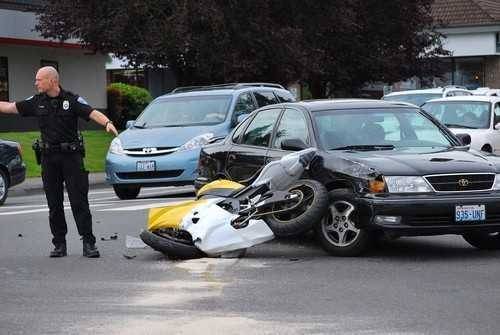
Common Injuries in Idaho Motorcycle Accidents and Their Long-Term Effects
Idaho is a beautiful state with plenty of scenic roads that make it perfect for [...]
May
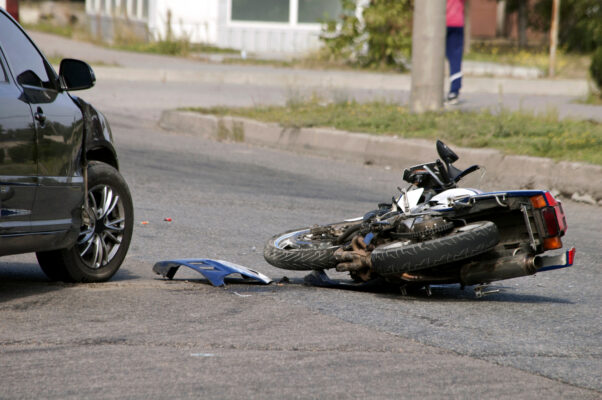
The Importance of Defensive Riding for Idaho Motorcyclists
The Importance of Defensive Riding for Idaho Motorcyclists Motorcycle riding is an exhilarating experience that [...]
May

Idaho Motorcycle Accident Statistics
Idaho is known for its stunning landscapes and outdoor activities, including motorcycle riding. However, riding [...]
Apr

Idaho Motorcycle Accident Statistics: Trends and Analysis
Idaho is known for its stunning landscapes and outdoor activities, including motorcycle riding. However, riding [...]
Apr
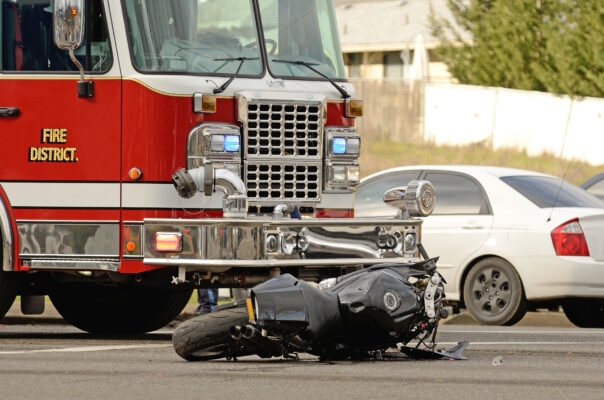
What to Do If You’re Involved in a Hit-and-Run Motorcycle Accident in Idaho
Motorcycle accidents are not uncommon, and unfortunately, hit-and-run accidents can happen. Being involved in a [...]
Mar

Idaho Motorcycle Accident Attorneys
Have you been hurt while riding your motorcycle? Check out this blog to learn more [...]
Feb
Client Reviews
