



7 Mistakes That Ruin Personal Injury Cases
Get our FREE guide and find out how you can protect your rights with Hepworth Holzer, LLP
Our Idaho Personal Injury Lawyers






Idaho Rear-End Motorcycle Collision Lawyers
When a car hits a motorcycle from behind, the consequences are never minor — and the insurance company’s tactics are always the same
A rear-end collision that leaves a car driver with whiplash and a sore neck can put a motorcyclist in the trauma center, in surgery, or in the ground. There is no crumple zone between a motorcycle rider and the vehicle that just hit them from behind. The physics are unforgiving, and the injuries — spinal cord damage, traumatic brain injury, road rash across large body surface areas, fractures that require months of hardware and rehabilitation — reflect that reality. If you were rear-ended on your motorcycle anywhere in Boise, Meridian, Nampa, Eagle, Caldwell, or across Idaho, we are here to help. Call us for a free consultation and we will talk through exactly what options are available to you.
Rear-end crashes involving motorcycles are a consistent presence in Idaho Transportation Department crash data year after year. They concentrate on the same high-traffic corridors where tailgating and distracted driving are most common: I-84 through the Treasure Valley, Eagle Road, Chinden Boulevard, Fairview Avenue, and the strip-mall arterials in Meridian and Nampa where stop-and-go traffic meets drivers who are looking at their phones. For an overview of how we handle motorcycle injury claims throughout Idaho, see our main motorcycle practice page.
Hepworth Holzer also helps residents of Idaho with Personal Injury Matters in: Ada County, Caldwell, Canyon County, Eagle, Garden City, Gem County, Kuna, Meridian, Nampa and Star.
Why Rear-End Crashes Are More Dangerous for Motorcyclists
In a car-to-car rear-end crash, the struck vehicle’s structure absorbs a significant portion of the impact energy. The trunk, rear bumper, crumple zones, and seat absorb force before it reaches the occupant. A motorcycle has none of that. The impact goes directly into the rider. At even modest closing speeds, the rider is launched forward off the bike, struck by the vehicle, or pinned between the vehicle and the motorcycle itself. The outcome depends almost entirely on where the rider lands and what they hit on the way down.
The injuries we see in rear-end motorcycle crashes include traumatic brain injury even in helmeted riders when the impact is severe enough, cervical and thoracic spinal cord injuries from the violent forward-then-backward motion of the crash, road rash across the arms, legs, and torso when the rider slides across the pavement, fractures of the wrists, forearms, clavicles, and hips from instinctive protective movements and ground impact, and internal organ damage when the rider strikes the handlebars, the ground, or the striking vehicle itself. These are not soft-tissue cases. They are serious injury cases that require serious legal representation.
Idaho’s Following Distance Law — and Why It Settles Fault Quickly
Idaho Code Section 49-638 requires every driver to maintain a following distance that is reasonable and prudent given the speed of traffic, road conditions, and visibility. When a driver rear-ends a motorcycle — or any vehicle — Idaho courts and juries begin with a strong practical presumption that the rear driver was following too closely, not paying attention, or both. Fault in rear-end cases is rarely the central dispute. What the insurance company fights is the nature and severity of the injuries — and what they are actually worth.
When distracted driving contributed to the crash, Idaho Code Section 49-1401A — Idaho’s hands-free law — is directly relevant. We regularly subpoena cell phone carrier records when a distracted driving component is suspected. A driver who was looking at their phone when they rear-ended a motorcyclist has a significantly harder time managing a jury than one who simply misjudged following distance. The distinction matters to the value of the case and, when the conduct was sufficiently reckless, to the availability of punitive damages under Idaho Code Section 6-1604. If the driver who rear-ended you was also impaired, see our page on drunk driver motorcycle accidents in Idaho for the additional recovery tools that DUI opens.
The Insurance Company’s Playbook in Rear-End Motorcycle Cases
The at-fault driver’s insurer is not going to volunteer fair compensation. Here is what they will typically do and how we respond:
- They will point to low vehicle damage and argue the impact was minor. A motorcycle that bounces off a car bumper at 20 mph may sustain limited frame damage. The rider absorbed the force the vehicle did not. We respond with biomechanical analysis, medical records, and accident reconstruction that connects the impact to the injuries.
- They will call you immediately and ask for a recorded statement. That statement is for their benefit, not yours. It is designed to collect language they can use to minimize your claim. Do not give any recorded statement before speaking with us.
- They will raise motorcycle bias. Insurance adjusters and — if it goes to trial — some jurors carry an assumption that motorcyclists are reckless. We address this head-on from the beginning of every case, building the factual record that establishes the other driver’s exclusive fault and the rider’s lawful, reasonable conduct.
- They will dispute future care. Spinal cord injuries, TBI, and significant orthopedic injuries require long-term treatment. The insurer will fight to minimize future medical projections. We work with life care planners and treating physicians who can document and defend the full scope of future needs.
- They will apply comparative fault pressure. Under Idaho Code Section 6-801, your recovery is reduced by your percentage of fault. The insurer will probe for anything — lane position, speed, lane splitting, equipment condition — to assign you fault and chip at the recovery. We investigate every element before the other side does.
Evidence That Wins Rear-End Motorcycle Cases
The evidence that matters most in a rear-end motorcycle case disappears fast. Event data recorder data from the striking vehicle logs pre-impact speed, throttle, and braking in the seconds before the crash — and can be overwritten when the vehicle is repaired. Dashcam footage cycles within days. Traffic cameras and nearby business surveillance overwrite on 7- to 30-day cycles. We send preservation letters immediately when we are retained and move on evidence collection the same day.
The specific evidence we pursue includes: the striking vehicle’s event data recorder download; cell phone carrier records when distracted driving is suspected; dashcam footage from the vehicles involved and from nearby vehicles; traffic and surveillance camera footage from businesses along the crash corridor; the police crash report and the responding officer’s assessment of fault and contributing factors; witness statements gathered while the event is fresh; and photographs of both vehicles, the crash scene, and the rider’s injuries and gear.
We also inspect the motorcycle itself when a mechanical condition may be relevant — brake light function, tail light visibility, and reflector placement all matter when the defense tries to argue the rider was not visible. If a road hazard contributed to the crash, see our page on poorly maintained road motorcycle accidents in Idaho for the 180-day government notice deadline that applies in those cases. We build the physical and electronic record of the crash before the defense has finished their initial claim review.
Treasure Valley Rear-End Hotspots for Motorcyclists
The corridors where we see the most rear-end motorcycle crashes in our practice are I-84 through Ada and Canyon Counties — particularly at exit deceleration zones and in the merge sequences between the Franklin and Meridian exits — Eagle Road between I-84 and Chinden during morning and evening commute, Fairview Avenue west of Curtis Road, Chinden Boulevard east of Eagle Road, and State Street through Garden City. These are high-volume, signalized arterials where stop-and-go traffic, driver impatience, and phone use combine to produce the exact conditions that cause rear-end crashes. Riders who travel these corridors regularly are at elevated risk, particularly during peak commute hours.
Idaho’s Two-Year Deadline
Idaho Code Section 5-219 gives you two years from the date of the crash to file a personal injury lawsuit. Wrongful death claims under Idaho Code Section 5-311 carry the same two-year window. In rear-end motorcycle cases, two years is not as long as it sounds — electronic evidence disappears in days, witnesses move or forget, and the medical picture often takes months to fully develop. The best time to call us is the week after the crash. The consultation is free. There is no fee unless we recover compensation for you.
Why Hepworth Holzer
Our firm has been practicing Idaho personal injury law for more than 50 years. Our attorney team has practiced car and motorcycle accident law for well over a combined 100+ years. We understand the bias that motorcyclists face from insurance companies and from some jurors, and we know how to build cases that overcome it. We prepare every case as if it is going to trial — because the insurance company’s willingness to settle fairly depends almost entirely on whether they believe you will actually try it. We have no qualms about going to trial. And when you call, you talk to a real lawyer on the phone.
Do You Need Legal Help?
Related Motorcycle Accident Videos
Frequently Asked Questions About Rear End Motorcycle Collisions
Almost always yes. Idaho Code Section 49-638 requires every driver to maintain a safe following distance. When a driver rear-ends a motorcycle, Idaho juries begin with a strong presumption of fault against the rear driver. The fight in these cases is almost always about the injuries and their value, not about who caused the crash.
Through medical records, biomechanical expert testimony, and accident reconstruction. A motorcycle absorbs almost none of the impact energy that a car’s structure absorbs — that energy goes directly into the rider. Low property damage on the car does not cap the value of the injury claim.
Idaho Code Section 49-1401A prohibits hand-held phone use while driving. We subpoena carrier records early to establish whether the driver was using their phone in the seconds before the crash. Confirmed distracted driving substantially increases case value and may support punitive damages under Idaho Code Section 6-1604.
Idaho does not require adult riders to wear helmets. For injuries unrelated to your head, the helmet argument is irrelevant. For head injuries, we address the comparative fault analysis directly with medical experts who can establish what a helmet would and would not have changed.
Two years from the date of the crash under Idaho Code Section 5-219. Wrongful death claims under Idaho Code Section 5-311 carry the same deadline. Electronic evidence disappears much faster — call us in the first week.
Nothing upfront. We handle rear-end motorcycle cases on a contingency fee — we only get paid if we recover compensation for you. The initial consultation is free.
Related Motorcycle Accident Blog Posts

Uninsured and Underinsured Motorist Coverage in Idaho
Navigating the complexities of car insurance can be a daunting task, especially when it comes [...]
Jun

How to Handle Insurance Companies After a Motorcycle Accident in Idaho
Motorcycle accidents can be traumatic experiences, both physically and emotionally. In the aftermath of such [...]
Jun
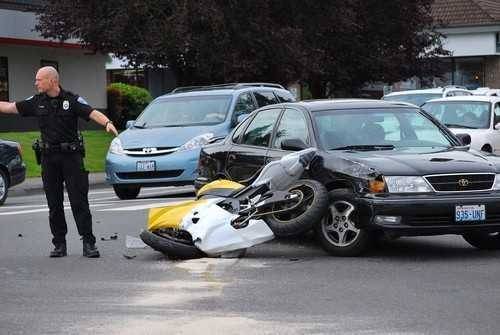
Common Injuries in Idaho Motorcycle Accidents and Their Long-Term Effects
Idaho is a beautiful state with plenty of scenic roads that make it perfect for [...]
May
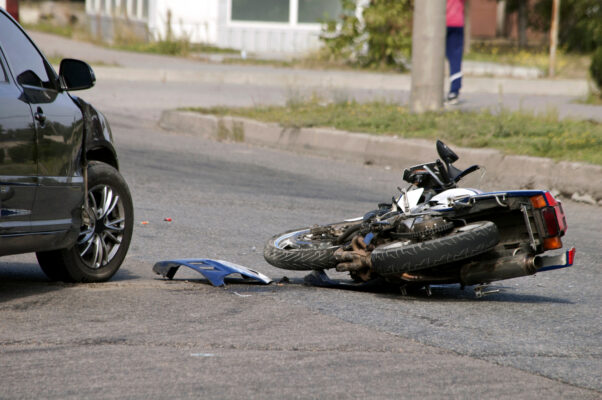
The Importance of Defensive Riding for Idaho Motorcyclists
The Importance of Defensive Riding for Idaho Motorcyclists Motorcycle riding is an exhilarating experience that [...]
May
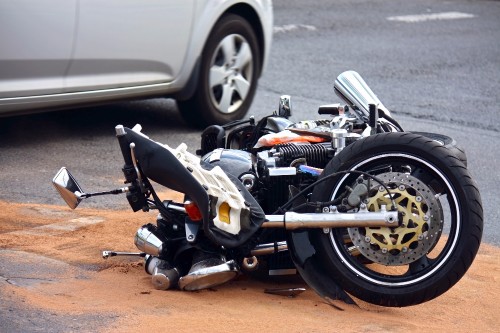
Idaho Motorcycle Accident Statistics
Idaho is known for its stunning landscapes and outdoor activities, including motorcycle riding. However, riding [...]
Apr

Idaho Motorcycle Accident Statistics: Trends and Analysis
Idaho is known for its stunning landscapes and outdoor activities, including motorcycle riding. However, riding [...]
Apr
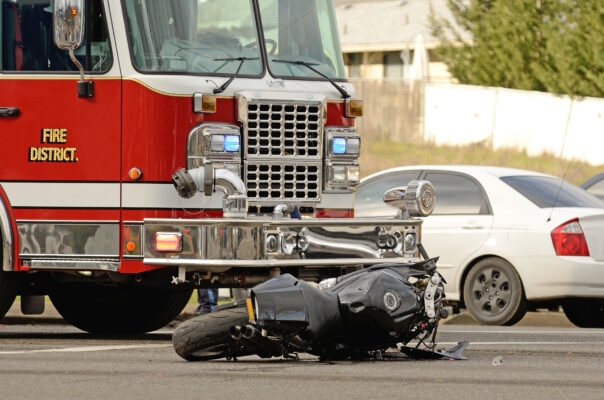
What to Do If You’re Involved in a Hit-and-Run Motorcycle Accident in Idaho
Motorcycle accidents are not uncommon, and unfortunately, hit-and-run accidents can happen. Being involved in a [...]
Mar

Idaho Motorcycle Accident Attorneys
Have you been hurt while riding your motorcycle? Check out this blog to learn more [...]
Feb
Client Reviews
