



Do you Need Legal Help?
Contact the Hepworth Holzer team today to schedule a free legal consultation to discuss your personal injury case.

Our Idaho Personal Injury Lawyers






Common Causes of Truck Accidents in Boise, Idaho
Understanding why these crashes happen is the first step toward accountability
Truck accidents do not happen randomly. In nearly every case we have handled at Hepworth Holzer, there is a specific cause — and often more than one. A fully loaded commercial truck can weigh up to 80,000 pounds. When something goes wrong at highway speed, the consequences for everyone in smaller vehicles are devastating. The Treasure Valley’s major freight corridors — I-84, US-95, I-86, and Interstate 184 (the Boise connector) — see heavy commercial traffic daily, and the causes of crashes on those roads follow recognizable patterns.
Understanding what caused your truck accident is not just an academic exercise. It determines who is legally responsible, which insurance policies apply, and how much compensation you can recover. At Hepworth Holzer, our Boise truck accident lawyers have secured results including a $4.80 million settlement and a $1.85 million verdict in trucking cases by doing the investigative work to identify every cause and every responsible party. The type of truck accident that occurs is often directly tied to its cause — a fatigued driver jackknifes on a wet highway, an improperly loaded trailer rolls on a curve. We represent truck accident victims across Boise, the Treasure Valley, and all of Idaho. Call us for a free consultation.
Hepworth Holzer also helps residents of Idaho with Personal Injury Matters in: Ada County, Caldwell, Canyon County, Eagle, Garden City, Gem County, Kuna, Meridian, Nampa and Star.
Driver Fatigue and Hours of Service Violations
Fatigued driving is one of the leading causes of serious truck accidents in Idaho and across the country. Federal Motor Carrier Safety Administration (FMCSA) regulations limit how many hours a commercial truck driver can operate a vehicle before taking a mandatory rest break. These rules exist because drowsy driving impairs reaction time, judgment, and awareness in ways that are similar to alcohol impairment.
Despite these regulations, violations are common. Trucking companies sometimes pressure drivers to deliver loads faster than legally permitted. Drivers falsify paper logbooks or manipulate electronic logging devices (ELDs) to hide excess driving time. When a fatigued driver causes a crash, both the driver and the company that pushed them past safe limits can be held liable.
Evidence of fatigue-related violations includes ELD data, GPS records, dispatch communications, and driver logbooks. This evidence disappears quickly if not preserved immediately after a crash.
Idaho Truck Accident Help
18-Wheeler Accident Delivery Truck Accident I-84 Truck Accidents Wrongful Death Truck Crash Types of Crashes Preserving Evidence Choosing a Truck Accident Lawyer Common Causes of Truck Accidents Filing a Lawsuit Trucking Insurance Claims Liability Types of Compensation Truck Accident RegulationsRelated Truck Accident Blog Posts
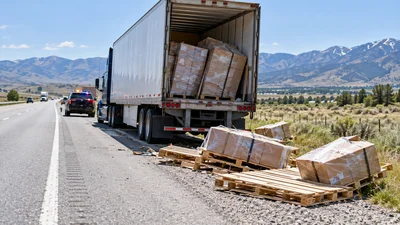
Who Can Be Held Liable When Truck Cargo Falls and Causes an Idaho Crash?
When cargo falls from a commercial truck and causes a crash in Idaho, more than [...]

Idaho’s Long Range Transportation Plan Elevates Commercial Truck Drivers Over Motorist Safety: The Freight Is Moving Off the Freeway
In 2024, 88% of Idaho’s fatal commercial truck crashes happened on rural roads. Those are [...]

Harvest Season Truck Traffic and Serious Idaho Highway Accidents: What Drivers Should Know
Harvest season can change traffic patterns on Idaho highways as agricultural trucks, trailers, farm equipment, [...]

I-84 Truck Accident Guide for August
After an I-84 truck accident during August travel, move away from immediate danger when you [...]

Heat, Fatigue, and Truck Driver Errors on Idaho Highways
Summer heat can make long-haul trucking more demanding, and fatigue can make driver mistakes more [...]
How Summer Construction Zones Lead to Serious Truck Accidents in Idaho | Hepworth Holzer, LLP
Summer roadway construction across Idaho creates conditions that significantly increase the risk of serious truck [...]

Dealing with the Trucking Company’s Insurance After a Crash in Idaho
Dealing with the Trucking Company’s Insurance After a Crash in Idaho When a commercial truck [...]
What Idaho Families Need to Know About Wrongful Death from a Truck Crash
Losing a family member in a commercial truck crash is one of the most devastating [...]
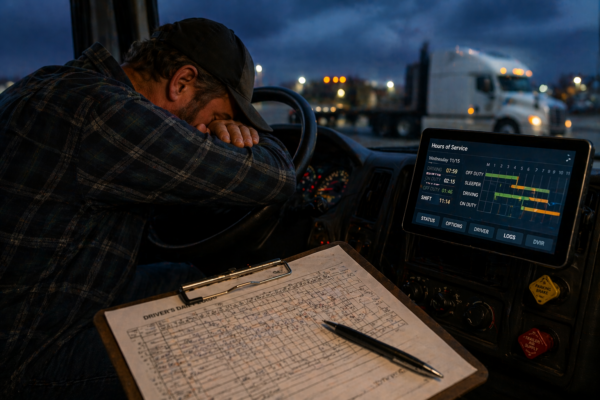
Hours of Service Rules and Truck Driver Fatigue: What Idaho Accident Victims Need to Know
Fatigued driving is one of the leading causes of serious commercial truck crashes in Idaho [...]

Black Box and ECM Data in Idaho Truck Crash Cases: What Your Lawyer Needs to Recover
When a commercial truck is involved in a serious crash, one of the most important [...]

The Most Dangerous Truck Corridors in Idaho: I-84, US-95, I-86, and I-184
Idaho’s highway system carries a level of commercial freight traffic that most residents never fully [...]
Why Winter Truck Braking Failures Lead to Severe Damages in Idaho
Winter in Idaho is no stranger to harsh weather conditions, and the challenges these conditions [...]
Hunting-Season Roadway Crashes on US-95 or Highway 55: Sorting Liability When Trucks and Trailers Are Involved
Hunting season in Idaho is a time when families and avid hunters alike take to [...]

Why Your Truck Accident Case May Take Longer Than You Expect
After a truck accident, victims often expect a swift resolution to their case. However, the [...]

The Role of Negligence in Truck Accident Claims in Idaho
Negligence is the foundation of most truck accident claims in Idaho. To recover compensation you [...]
Distracted Driving
Commercial truck drivers are prohibited from texting while driving under federal law, and for good reason. At 65 miles per hour, a truck travels the length of a football field in about three seconds. Taking eyes off the road for even a moment to read or send a text — or to interact with a GPS, CB radio, or dispatching device — can make the difference between stopping in time and causing a catastrophic collision.
Cell phone records and in-cab telematics data are critical pieces of evidence in distracted driving cases. If a truck driver was on the phone or interacting with an electronic device at the time of your crash, that information can and should be preserved and used to establish liability.
Speeding and Aggressive Driving
Speed is a factor in a significant percentage of commercial truck crashes. A loaded semi-truck requires far more distance to stop than a passenger vehicle — often 20 to 40 percent more stopping distance than a car traveling at the same speed. When a driver is speeding, tailgating, making unsafe lane changes, or driving aggressively, the margin for error shrinks to nearly nothing.
Speeding violations by commercial drivers often reflect pressure from trucking companies to meet tight delivery deadlines. When that pressure leads to a crash, the company shares responsibility for the consequences.
Impaired Driving
Alcohol and drug impairment among commercial truck drivers is a serious and documented problem. Commercial drivers are held to a stricter blood alcohol limit than regular motorists — 0.04 percent compared to 0.08 percent. They are also subject to random drug and alcohol testing under FMCSA regulations.
When a trucking company fails to conduct required pre-employment, random, or post-accident drug and alcohol testing, and an impaired driver causes a crash, the company faces significant liability on top of the driver’s own responsibility. We have seen cases in Idaho where companies knowingly retained drivers with prior DUI convictions and continued putting them behind the wheel of 80,000-pound vehicles.

7 Mistakes That Ruin Personal Injury Cases
Get our FREE guide and find out how you can protect your rights with Hepworth Holzer, LLPRelated Truck Accident Videos
Improper Truck Maintenance
Commercial trucks are required by federal law to undergo regular inspections and maintenance. Brake systems, tires, steering components, lighting, and coupling equipment must all be kept in safe working condition. When a trucking company skips required maintenance, defers repairs, or ignores known mechanical problems, it creates dangerous conditions for everyone on the road.
Brake failure is particularly common in serious truck accident cases. Air brake systems on commercial trucks are complex, and when they are not properly maintained and adjusted, they can fail at the worst possible moment — on a downgrade, approaching a traffic backup, or in an emergency stop situation. Tire blowouts from worn or underinflated tires are another frequent cause of loss of control.
Maintenance records, inspection reports, and repair invoices are all critical evidence in these cases. Trucking companies are required to retain these records, but they do not keep them indefinitely.
Improper Loading and Overweight Trucks
Cargo that is improperly loaded, inadequately secured, or that causes a truck to exceed legal weight limits creates serious hazards. An overloaded truck takes longer to stop, handles poorly in curves, and puts excessive stress on brakes and tires. Cargo that shifts during transit can cause a driver to lose control without any other contributing factor.
Falling or spilled cargo is also a direct danger to other vehicles. When cargo loaders or freight brokers are responsible for how a load is secured, they can share liability for a crash caused by load failure.
Inadequate Driver Training and Negligent Hiring
Trucking companies have a legal obligation to hire qualified drivers, verify their driving history, and ensure they are properly trained before putting them on the road. When a company hires a driver with a history of violations, fails to verify a CDL, or sends an undertrained driver out on a difficult route, it creates foreseeable risk.
In negligent hiring cases, we investigate the company’s hiring records, background check procedures, training documentation, and the driver’s history with prior employers and regulatory agencies. When a company knew or should have known a driver was unfit and hired them anyway, that decision can form the basis for significant additional damages. For a complete breakdown of every party who can be held accountable, see our page on who is liable in an Idaho truck accident.
Poor Road and Weather Conditions
Idaho’s weather creates real challenges for commercial drivers. Snow and ice on mountain passes, fog in the valleys, and high winds across open stretches of I-84 and I-86 all require commercial drivers to reduce speed and adjust their driving to conditions. Failure to do so is negligence.
It is not enough for a driver to say the roads were bad. The legal standard requires drivers to operate their vehicles safely for actual conditions, not just posted speed limits. A truck driver who fails to slow down in icy or foggy conditions and causes a crash cannot escape responsibility by blaming the weather.
What Happens After the Cause Is Identified
Identifying the cause of a truck accident is only the beginning. Once we understand what happened and why, we determine who bears legal responsibility, which insurance policies apply, and what evidence needs to be preserved or obtained through the legal process. In many cases, multiple causes and multiple responsible parties exist in the same crash. When the crash results in a fatality, the cause analysis becomes even more critical — see our page on wrongful death claims in Idaho for what families can pursue in those situations.
Hepworth Holzer has recovered over $11 million in truck accident cases alone, including a $5 million judgment in a wrongful death commercial truck collision case. If you were injured in a truck accident in Idaho, call us today. The consultation is free and there is no fee unless we win your case.
Frequently Asked Questions About Causes
Driver fatigue and hours of service violations are among the most common causes of serious truck accidents in Idaho. Federal FMCSA regulations limit driving hours for commercial truck drivers, but violations are frequent. Other leading causes include distracted driving, speeding, impaired driving, improper maintenance, overloaded cargo, and inadequate driver training.
Yes. Trucking companies can be held legally responsible when they pressure drivers to violate hours of service rules, fail to maintain their vehicles, neglect required drug and alcohol testing, or hire drivers with unsafe records. In many Idaho truck accident cases, the trucking company bears significant liability alongside the driver.
Driver fatigue impairs reaction time, judgment, and awareness in ways comparable to alcohol impairment. When truck drivers exceed legal driving limits set by the FMCSA, they become significantly more likely to miss hazards, fail to brake in time, or lose control of their vehicle. Fatigued driving is a leading factor in catastrophic commercial truck crashes.
Key evidence in truck accident cases includes the truck’s black box (ECM) data, electronic logging device records, driver logbooks, cell phone records, GPS and telematics data, maintenance and inspection records, cargo loading documentation, and drug and alcohol test results. Much of this evidence must be preserved immediately after a crash through formal legal demands, as it can be overwritten or destroyed quickly.
No. Commercial truck drivers are legally required to adjust their speed and driving behavior to actual road and weather conditions. If a driver fails to slow down in ice, snow, fog, or high winds and causes a crash, they cannot escape responsibility by claiming the weather was the cause. Failure to drive safely for conditions is negligence.
Client Reviews
