

Winter in Idaho is no stranger to harsh weather conditions, and the challenges these conditions pose to drivers—especially truck drivers—can be overwhelming. The roads become icy, temperatures plummet, and snowfall often reduces visibility. While these factors are dangerous for all motorists, the risks are particularly high for large commercial trucks. When braking systems fail in such conditions, the consequences can be devastating. At Hepworth Holzer, LLP, we understand the serious nature of these incidents and the significant damage they can cause. In this guide, we’ll explore the factors contributing to winter truck braking failures, why they often lead to severe damages, and how preventative measures can reduce the risks during the cold months in Idaho.






The Impact of Winter on Truck Braking Systems 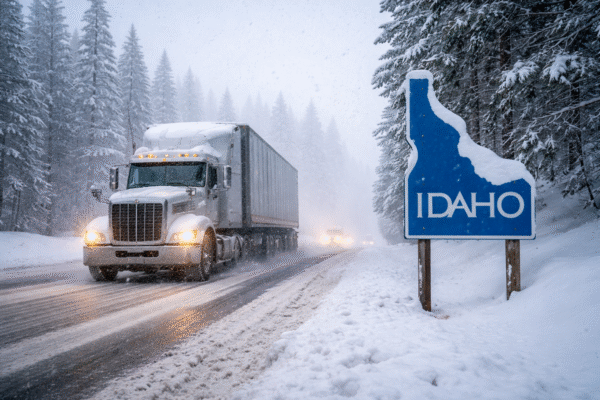
In Idaho’s winter months, the challenges truck drivers face are not just about managing snow and ice on the road—they also involve dealing with the effects of cold weather on their vehicles’ mechanical systems, particularly the brakes. While trucks are built to withstand harsh conditions, the reality is that the extreme cold often leads to failures in critical components.
For truckers, the most vital aspect of driving in winter conditions is ensuring the vehicle’s braking system is functioning properly. Truck braking failures during the winter months can occur for a variety of reasons, but the common thread is the effect of cold weather on mechanical parts, including the brakes.
Reasons Winter Conditions Lead to Brake Failures
There are several reasons winter conditions cause truck braking failures, and understanding these can help drivers and companies take preventative steps. Here are the most common causes of winter-related braking problems:
1. Frozen Brake Lines
When temperatures drop significantly, moisture in the brake lines can freeze, blocking the flow of air to the brake system. This can lead to either partial or complete brake failure, making it difficult or even impossible to stop the truck in time to avoid a collision. This issue is particularly dangerous on icy or snow-covered roads where stopping distances are already longer.






2. Brake Pad Wear
Cold temperatures can cause the brake pads to become brittle, especially if they have not been adequately maintained before the winter season. With the added stress of braking on slippery surfaces, this wear and tear can cause the brake pads to lose their effectiveness, leading to reduced stopping power. Trucks that are improperly maintained or have worn-out brake pads are at higher risk of accidents when winter conditions strike.
3. Reduced Traction on Snow and Ice
Winter conditions naturally increase the distance required to stop a vehicle. With trucks, this problem is compounded due to their size and weight. Even when brakes are functioning properly, the lack of traction on icy or snow-covered roads can lead to loss of control and accidents. This makes it imperative for drivers to adjust their driving speeds and distances according to the road conditions.
4. Lack of Anti-lock Braking Systems (ABS)
Many older trucks lack anti-lock braking systems (ABS), which help prevent the wheels from locking up in icy conditions. Without ABS, drivers are more likely to experience skidding or jackknifing during emergency stops, which can lead to severe accidents. Trucks equipped with modern ABS systems have better control during emergency braking situations, making them safer in winter weather.
5. Salt and Snow Buildup on Brakes
During the winter months, road salts are often used to melt ice, but these chemicals can quickly accumulate on truck braking systems. This buildup of salt, snow, and ice can interfere with the proper functioning of the brakes, making it difficult for truck drivers to apply the brakes effectively in an emergency.
Types of Winter Truck Accidents Resulting from Braking Failures
Truck accidents in winter due to braking failures often result in severe damage and injuries. The combination of large trucks and hazardous winter conditions can lead to accidents that are more dangerous than those caused by smaller vehicles. Some of the most common types of winter truck accidents caused by brake failure include:
Rear-End Collisions
One of the most common types of accidents resulting from winter truck braking failures is rear-end collisions. When a truck is unable to stop in time on icy roads, it may crash into another vehicle. This can cause significant damage to both vehicles and put the occupants at risk of serious injury. For example, a truck that cannot stop in time may rear-end a smaller car, causing severe damage to the car’s rear end and potentially leading to life-threatening injuries.
Jackknifing
When a truck’s brakes fail, the driver may lose control of the vehicle, causing the trailer to swing out to the side and create a jackknife. This dangerous situation occurs when the truck’s cabin and trailer form an acute angle, which often leads to the truck flipping over, blocking the road, and causing a pile-up of vehicles. The risk of jackknifing increases when roads are slick and the truck’s braking system is compromised.
Rules of a Personal Injury Claim Choosing a Personal Injury AttorneyRelated Videos
Overturning
Overturning occurs when a truck, due to loss of control or braking failure, tips over on its side. This typically happens when trucks are driving at high speeds on icy roads or when they are carrying heavy loads. In such cases, even a slight failure in the braking system can lead to the truck flipping over and causing significant damage to the cargo, the vehicle itself, and surrounding vehicles.
Loss of Cargo and Debris on the Road
When a truck overturns or loses control due to braking failure, cargo can spill onto the road. This presents a significant hazard to other drivers, who may not be able to react in time to avoid the debris. Spilled cargo can cause accidents, create roadblocks, and increase the potential for severe injuries in the aftermath of the crash.
Preventive Measures to Avoid Braking Failures
Taking the necessary steps to prevent braking failures can significantly reduce the likelihood of accidents during Idaho’s harsh winter months. Here are some key preventive measures that truck drivers and trucking companies should follow:
1. Regular Brake Inspections
It is essential for trucking companies to perform routine maintenance on their vehicles, especially before winter. This includes inspecting the brake lines, pads, and other brake system components to ensure they are in good working condition. If there is any sign of wear or potential failure, it is critical to replace or repair the parts before hitting the road.
2. Use of Anti-lock Braking Systems (ABS)
All modern trucks should be equipped with ABS, which can make a critical difference in stopping ability during winter driving. ABS prevents the wheels from locking up during emergency braking, reducing the risk of skidding or jackknifing. Trucks without ABS should be retrofitted with this safety feature to improve winter driving performance.
3. Monitor and Maintain Tire Pressure
Tires play a crucial role in stopping distance, especially in winter conditions. It is essential for drivers to monitor tire pressure regularly, as cold temperatures can cause the air in tires to contract, leading to low tire pressure. Properly inflated tires improve traction, making it easier for the truck to stop in time on icy roads.
4. Adjust Driving Behavior
Truck drivers should always adjust their driving behavior according to the weather conditions. This includes reducing speed, increasing the following distance, and allowing for more time to stop. When driving in winter conditions, it is better to err on the side of caution rather than risk an accident due to inadequate braking.
5. Proper Load Distribution
Improperly loaded trucks are more prone to instability, especially in winter conditions. Uneven load distribution can make it harder for the truck to stop properly, especially when the brakes are engaged. It’s important for trucking companies to ensure that loads are evenly distributed and properly secured to prevent accidents related to load shifts.
Winter truck accidents in Idaho due to braking failures can result in catastrophic damage and severe injury. With the right preventive measures, however, the risks associated with winter driving can be minimized. Trucking companies and drivers should prioritize proper vehicle maintenance, use of ABS, and training in winter driving safety to reduce the risk of braking failures on icy roads.
If you’ve been involved in a truck accident during the winter months and experienced braking failures or another mechanical issue, you may be entitled to compensation for your damages. Contact Hepworth Holzer, LLP today to schedule a free consultation and discuss your options for pursuing legal action.
To learn more about this subject click here: What Makes Truck Accident Cases More Complex Than Car Accidents

 |
 |