Float trips and river recreation are a major part of summer life in Idaho, but accidents can and do happen. When injuries occur on rivers, tubes, rafts, or guided outings, the question becomes whether anyone else may be legally responsible. In many cases, injury claims depend on negligence, unsafe conditions, equipment failure, or reckless guiding practices. Idaho law allows injured individuals to pursue compensation when another party’s conduct contributes to harm. Understanding liability rules, waivers, and insurance coverage is key to evaluating whether a claim may exist.






Hepworth Holzer, LLP helps injured people across Idaho understand their rights after recreational accidents, including those involving rivers and float trips.
Why float trip and river accidents happen in Idaho 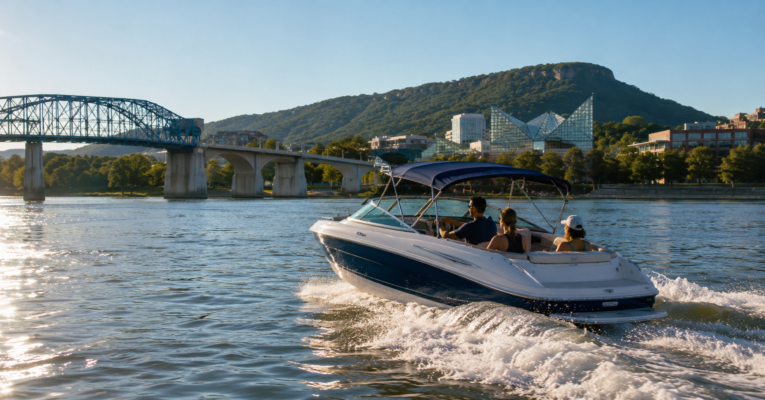
Idaho’s rivers attract thousands of residents and visitors every year. Popular float routes often involve rafting, tubing, kayaking, and guided adventure tours. While most trips are safe, the environment introduces natural risks that can combine with human error.
Common contributing factors include:
Fast-moving currents and unexpected water levels
Alcohol use during recreational trips
Overcrowded or poorly managed launch points
Defective or improperly maintained rental equipment
Inadequate safety instructions from outfitters
Lack of supervision on guided tours
When preventable conditions or careless behavior contribute to injury, legal responsibility may extend beyond “accidental” harm.
Common injuries in river and float trip incidents
River recreation accidents can result in a wide range of injuries, some of which require long-term medical care. These often include:
Head injuries from collisions with rocks or equipment
Drowning or near-drowning incidents
Broken bones and joint injuries
Spinal injuries from falls or raft impacts
Lacerations from debris or equipment failure
Hypothermia after prolonged water exposure
Even injuries that appear minor at first can worsen over time, particularly when soft tissue damage or head trauma is involved.






When you may have a legal claim after a float trip accident
Not every accident leads to a viable injury claim. However, Idaho law allows claims when negligence plays a role. Negligence occurs when someone fails to act with reasonable care and that failure causes harm.
Potentially responsible parties may include:
River outfitters and guided tour companies
Equipment rental businesses
Property owners near launch or exit points
Other negligent participants in group trips
Examples of potentially negligent conduct:
Providing damaged or unsafe equipment
Failing to warn about known river hazards
Overloading rafts or ignoring safety limits
Inadequate supervision on guided excursions
Allowing unsafe conditions at rental sites
These cases often require a detailed review of contracts, safety procedures, and incident reports.
Understanding waivers and assumption of risk in Idaho
Many people assume that signing a waiver prevents any legal claim. In Idaho, waivers can affect a case, but they do not automatically eliminate liability.
Courts often examine:
Whether the waiver language is clear and specific
Whether gross negligence or reckless conduct occurred
Whether safety obligations were violated despite the waiver
Assumption of risk is another legal concept frequently raised in recreational injury cases. While participants accept some natural risks of river activities, they do not accept risks created by unsafe practices or preventable hazards.
For a broader overview of how injury claims work in Idaho, you can review:
https://hepworthholzer.com/2020/09/16/idaho-personal-injury-guide/
Determining liability in river and float trip accidents
Liability in these cases depends on how the accident occurred and who had control over the conditions that led to injury.
Key questions include:
Was equipment inspected and safe to use?
Were participants given proper instructions?
Did guides follow established safety protocols?
Were known hazards ignored or poorly managed?
In some cases, multiple parties may share responsibility. Idaho uses comparative fault rules, meaning compensation may be adjusted based on each party’s level of responsibility.
Insurance coverage in recreational accident claims
Insurance coverage often plays a central role in river accident cases. Outfitters, rental companies, and tour operators typically carry liability insurance. However, coverage disputes are common.
Issues may include:
Denials based on waiver language
Arguments that injuries were “assumed risk”
Limits on coverage for recreational activities
Disputes over whether negligence occurred
Understanding how insurance applies early in the process can significantly affect how a claim is handled.
What compensation may be available
If another party is found responsible, injured individuals may pursue compensation for a variety of losses.
These may include:
Medical expenses and ongoing treatment
Lost income from missed work
Reduced earning ability in severe cases
Pain and suffering
Long-term rehabilitation or therapy costs
The value of a claim depends heavily on injury severity and how clearly liability can be established.
What to do after a river or float trip injury in Idaho
Taking the right steps after an accident can help protect both health and legal rights.
Recommended actions include:
Seeking immediate medical attention, even if symptoms seem minor
Documenting the scene and conditions if possible
Preserving equipment such as life jackets or tubes
Gathering witness information from other participants
Avoiding early settlement discussions with insurers
Medical records and early documentation often play a major role in evaluating a claim.
For more guidance on next steps after an injury, see:
https://hepworthholzer.com/2022/01/24/what-to-expect-after-an-injury/
Rules of a Personal Injury Claim Choosing a Personal Injury AttorneyRelated Videos
How attorneys evaluate these cases
River and float trip injury cases require careful investigation. Attorneys often review:
Safety records and maintenance logs
Witness statements and trip documentation
Weather and river condition reports
Training and conduct of guides or staff
Applicable Idaho safety regulations
These cases can become complex quickly, especially when multiple parties or waivers are involved. Legal evaluation helps determine whether negligence or liability standards have been met.
For additional insight into injury claims and expectations, you may also find this helpful:
https://hepworthholzer.com/2021/11/30/what-you-should-know-about-your-car-accident-claim/
Legal support after a river or float trip accident
River recreation should be safe and enjoyable, but preventable injuries can change lives in an instant. When negligence plays a role, injured individuals may have legal options under Idaho law. Understanding your rights early can make a meaningful difference in the outcome of a claim.
Hepworth Holzer, LLP assists clients throughout Idaho who have been injured in recreational accidents, including river and float trip incidents. The firm helps evaluate liability, navigate insurance issues, and pursue fair compensation where appropriate.
Speak With a Trusted Idaho Personal Injury Attorney Today
If you were injured during a float trip or river outing in Idaho, you may have legal options. Hepworth Holzer, LLP offers experienced guidance to help you understand your rights and pursue the compensation you may be entitled to.
This article is for informational purposes only and is not legal advice. Consult an attorney about your specific situation.