Hepworth Holzer, LLP understands how critical documenting an accident scene is for protecting your rights in Idaho. Proper photographic evidence can make a substantial difference in proving fault, supporting insurance claims, and obtaining fair compensation. Taking thorough photos at the scene establishes the conditions of the accident, captures vehicle damage, and documents injuries. This guide provides detailed instructions on what to photograph, how to do it effectively, and why each image can be crucial to your claim. Following these steps ensures your evidence is reliable and can be used strategically by legal professionals to strengthen your case.






Why Capturing Photos Matters in Idaho 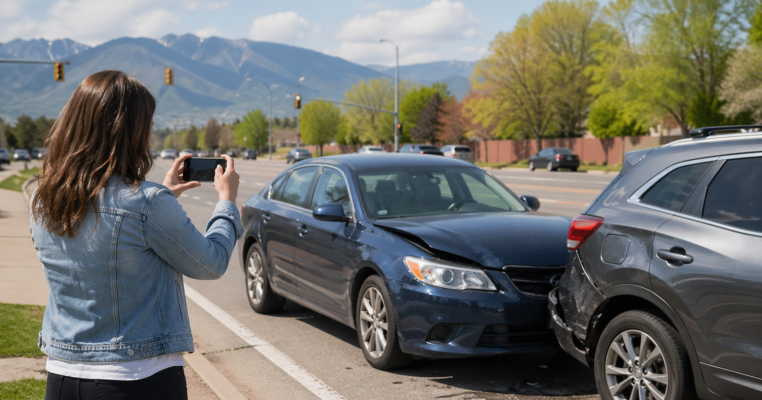
Photographs provide an immediate and tangible record of what occurred at the accident scene. Unlike written reports, which can be incomplete or subjective, images capture real-time conditions and minimize disputes over details. In Idaho, insurance companies and courts rely heavily on visual evidence when evaluating the circumstances of an accident. Photos help confirm vehicle positions, document the surrounding environment, show road and weather conditions, and establish the severity of injuries or property damage. By presenting a comprehensive visual record, you improve your ability to demonstrate negligence or liability, making your claim more credible and defensible.
Documenting Vehicle Damage
Vehicle damage photos are fundamental to establishing the severity of an accident. Take multiple pictures from different angles to capture both minor and major damages. Include close-ups of dents, scratches, broken lights, deployed airbags, and any other visible damage to the exterior and interior of each vehicle involved. Wide-angle shots should show the full car in relation to the accident site, highlighting positions, lane markings, and proximity to other vehicles or objects. Additionally, photographing license plates, vehicle identification numbers, and any personal items damaged in the crash ensures a thorough record for insurance and legal purposes. These images will serve as key evidence in calculating repair costs, evaluating fault, and supporting compensation claims.






Capturing Road and Environmental Conditions
The conditions of the road and surrounding environment often play a significant role in causing or contributing to accidents. In Idaho, where weather and terrain can vary greatly, documenting these factors is crucial. Take photos of traffic signals, stop signs, lane markings, intersections, and any road hazards such as potholes, debris, or construction zones. If the accident occurred during inclement weather, capture snow, ice, rain, or fog, as well as any effects on visibility. Even subtle factors, like sun glare or shadows from trees, can influence how an accident unfolded. These images provide context that supports claims of negligence, helps establish liability, and can corroborate witness statements.
Documenting the Layout of the Accident Scene
Photographs that illustrate the overall scene layout are invaluable. Take wide shots that include all vehicles, their positions, and the surrounding environment. Capture multiple angles to show distances between cars, objects, and potential hazards. Include sidewalks, crosswalks, intersections, and lane lines to provide context for how the accident occurred. Tire marks, skid marks, or signs of sudden braking should also be photographed, as they help reconstruct the events leading to the collision. By presenting a visual map of the scene, these images allow investigators, insurance adjusters, and attorneys to analyze the dynamics of the accident accurately.
Recording Visible Injuries
If there are visible injuries at the scene, photographs provide a critical record of immediate impacts. Take pictures of cuts, bruises, swelling, and other injuries on exposed areas. Document any clothing or personal property that is damaged or stained. If emergency responders provide on-site treatment, photos can capture this care as well. These images help medical professionals and legal representatives understand the extent of injuries and provide evidence that supports claims for medical expenses, pain and suffering, and long-term rehabilitation. Ensure that photographs are clear, factual, and unaltered to maintain credibility.
Tips for Taking Effective Photos
- Use a smartphone or digital camera with high resolution.
- Take photos as soon as it is safe to do so, before vehicles are moved or debris cleared.
- Use natural lighting when possible, avoiding filters or alterations that could undermine credibility.
- Organize photos by type and sequence to make it easier to present to attorneys or insurance representatives.
- Backup your photos in cloud storage to prevent loss.
Legal Considerations in Idaho
While taking photos, avoid interfering with law enforcement investigations or moving evidence unnecessarily. Clearly label and timestamp photos for accuracy. Document who took each photograph, if possible, to establish authenticity. Combine photographic evidence with police reports, witness statements, and medical documentation to create a comprehensive case. These measures improve the reliability of your claim and ensure the evidence is admissible in court. Remember, maintaining professionalism and accuracy is critical when capturing evidence.
Rules of a Personal Injury Claim Choosing a Personal Injury AttorneyRelated Videos
How an Idaho Personal Injury Attorney Can Help
An experienced attorney at Hepworth Holzer, LLP can review your photographic evidence and provide guidance on additional documentation that strengthens your claim. Legal professionals can advise on capturing details that may not be immediately obvious but could influence liability or damages. For example, an Idaho car accident lawyer can help evaluate road conditions, vehicle damage, and injury documentation to determine the best legal strategy. Legal counsel ensures your photos are preserved correctly and are presented effectively in negotiations or litigation.
Internal Resources for Further Guidance
For additional guidance, consider reviewing related resources from Hepworth Holzer, LLP:
- Idaho Car Accident Guide: https://hepworthholzer.com/2020/09/16/idaho-car-accident-guide/
- Steps After a Truck Accident: https://hepworthholzer.com/2020/10/19/steps-after-a-truck-accident/
- Understanding Your Idaho Car Insurance Policy: https://hepworthholzer.com/2020/11/01/understanding-your-idaho-car-insurance-policy/
Accurately documenting an accident scene in Idaho with comprehensive photos is a critical step in protecting your claim. Photos serve as objective evidence of vehicle damage, injuries, road conditions, and environmental factors. By following the steps outlined above, you can create a visual record that supports your case and strengthens negotiations with insurance companies. If you were injured in an accident, Hepworth Holzer, LLP provides experienced legal guidance to help preserve evidence and pursue fair compensation. Contact the firm today to schedule a confidential consultation and ensure your claim is handled correctly.
Disclaimer: This content is for informational purposes only and is not legal advice. Consult an attorney regarding your specific situation.