

Hepworth Holzer, LLP has observed that motorcycle accidents in Idaho consistently increase during late spring. The combination of improving weather, increased rider enthusiasm, and a surge in traffic often leads to a higher number of crashes during this period. Riders returning to the roads after winter may overestimate their readiness, while other drivers may not anticipate motorcycles, particularly on busy city streets and rural highways. The seasonal rise in accidents is influenced by multiple factors, from environmental changes to human behavior, and understanding these risks is essential for anyone who rides in Idaho. Knowing how to navigate these hazards can reduce the likelihood of accidents and provide crucial insight into the legal protections available should a collision occur.






Why Late Spring Brings More Risk 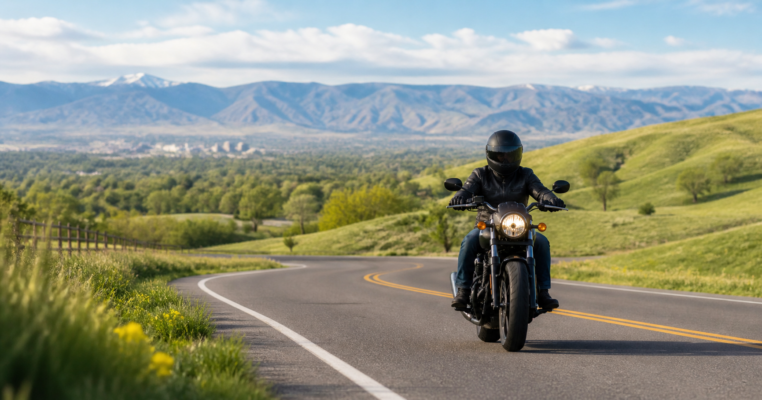
Spring in Idaho offers more favorable weather for riding, drawing motorcyclists out of hibernation and onto the roads. However, this period brings its own challenges. After months of minimal riding, many motorcyclists are eager to resume high-speed travel or take longer trips, sometimes without first reviewing basic riding skills or conducting thorough safety checks. Roads that appear clear may still contain winter debris, potholes, or uneven surfaces that can contribute to accidents. The sun angle can also affect visibility during early morning or late afternoon rides, making motorcycles harder to see for other drivers. In addition, Idaho hosts numerous spring events, festivals, and recreational activities, increasing both pedestrian and vehicular traffic on local roads. Riders may encounter vehicles entering and exiting side streets or pulling into driveways unexpectedly, further increasing the chances of collisions.
Environmental and Traffic-Related Factors
Several environmental and traffic-related elements combine to create an especially hazardous riding season:
- Residual Road Hazards: Salt, sand, and gravel used for winter maintenance often remain on roads, particularly in rural and mountainous areas. Motorcyclists may lose traction when braking or cornering on these surfaces.
- Variable Weather Conditions: Spring in Idaho can swing from sunny, warm days to sudden rain or frost. This unpredictability can surprise riders who fail to adjust speed or riding technique for slick conditions.
- Increased Traffic Density: More commuters, recreational drivers, and motorcyclists on the roads increase the risk of multi-vehicle interactions. Drivers unfamiliar with motorcycles may misjudge speed or distance.
- Returning or Inexperienced Riders: Individuals who have not ridden consistently throughout winter may not have the muscle memory or reflexes necessary for safe maneuvering at higher speeds.






Common Causes of Motorcycle Collisions
Motorcycle collisions can occur even when riders exercise caution. Common causes identified in Idaho include:
- Driver Inattention or Distraction: Motorcycles are smaller and more difficult to detect, particularly in intersections or during lane changes. Drivers looking at phones, GPS devices, or other distractions may fail to notice a motorcyclist.
- Speeding and Reckless Driving: Both motorcycles and other vehicles contribute to accidents when speed exceeds safe limits. Increased velocity reduces reaction time and can escalate the severity of injuries.
- Failure to Yield and Unsafe Lane Changes: Many collisions occur when drivers change lanes without checking blind spots or assuming a motorcycle can adjust more quickly than it realistically can.
- Driving Under the Influence: Spring and early summer social events can increase the risk of alcohol-related crashes. Both riders and drivers under the influence face dramatically reduced judgment and control.
- Mechanical Problems or Maintenance Lapses: After winter, motorcycles may experience issues with brakes, tires, battery, or lights. Neglecting these checks increases the probability of accidents.
Steps for Riders to Reduce Risk
Motorcyclists can reduce risk by adopting a proactive and defensive approach. Preparation, awareness, and protective gear are key elements of safer riding:
- Comprehensive Safety Gear: Helmets meeting DOT standards, reinforced jackets, gloves, pants, and boots reduce the severity of injuries in a crash. Reflective materials enhance visibility.
- Defensive Riding: Riders should assume they are invisible to drivers, maintain safe following distances, and remain out of blind spots. Avoiding aggressive maneuvers and anticipating other drivers’ behavior is crucial.
- Routine Maintenance Checks: Inspecting brakes, tire pressure, lights, oil, and fluid levels before rides ensures the motorcycle is ready for safe operation.
- Weather-Aware Riding: Adjusting speed and technique based on road and weather conditions prevents loss of traction and improves control.
- Visibility Strategies: Using high-visibility clothing, daytime running lights, and signaling intentions early allows drivers more time to react.
Rules of a Personal Injury Claim Choosing a Personal Injury AttorneyRelated Videos
Legal Considerations and Compensation
Even the most cautious riders may find themselves involved in an accident due to another driver’s negligence. Idaho law allows victims to recover compensation for:
- Medical Expenses: Emergency care, hospital bills, and ongoing rehabilitation costs can be significant after motorcycle collisions.
- Lost Wages: Time away from work due to injuries may impact a rider’s income and livelihood.
- Property Damage: Costs to repair or replace motorcycles, helmets, or other personal property are recoverable.
- Pain and Suffering: Physical and emotional distress caused by the accident may also be compensable under Idaho law.
Insurance disputes can be complicated, particularly when comparative fault is involved or when drivers are uninsured or underinsured. Idaho’s comparative negligence laws require careful evaluation of responsibility percentages, making legal guidance essential for securing fair compensation.
How an Idaho Motorcycle Accident Lawyer Can Assist
Engaging a skilled Idaho personal injury attorney can provide critical support in the aftermath of a collision. Attorneys can:
- Conduct thorough investigations into accident circumstances, including witness statements, traffic camera footage, and police reports.
- Negotiate effectively with insurance companies to ensure victims are not offered inadequate settlements.
- Evaluate all potential damages and ensure clients understand their rights under Idaho law.
- Advocate aggressively in court if a fair settlement cannot be reached through negotiation.
Hepworth Holzer, LLP has extensive experience representing motorcycle accident victims across Idaho, providing guidance through both settlement discussions and trial proceedings. Having professional legal support can significantly increase the likelihood of obtaining full and fair compensation.
Verdicts & Settlements
Cultivating a Safety-First Mindset
Beyond equipment and technique, cultivating a safety-first mindset reduces the likelihood of accidents:
- Stay informed about Idaho road conditions, including construction zones and seasonal hazards.
- Minimize distractions while riding, including mobile devices, audio systems, or multitasking.
- Take refresher courses or advanced rider training to rebuild skills after winter.
- Plan routes that avoid high-risk intersections, heavy traffic areas, or unfamiliar roads.
Understanding the interaction of environmental hazards, human behavior, and traffic dynamics helps riders anticipate and avoid dangerous situations. A proactive approach ensures spring riding is enjoyable and safer.
Planning for the Unforeseen
Even with careful preparation, accidents may occur. Riders should have a plan for emergencies:
- Keep an updated list of emergency contacts and insurance information.
- Know the location of the nearest hospital or trauma center.
- Document accidents thoroughly with photographs, notes, and witness information.
- Contact an experienced personal injury attorney promptly to protect legal rights and evidence.
By combining careful preparation, defensive riding techniques, and legal awareness, Idaho motorcyclists can navigate the risks of late spring with greater confidence.
Motorcycle safety in Idaho during late spring requires more than just enthusiasm for riding. The combination of warmer weather, increased traffic, and returning rider activity creates an environment where accidents are more likely. Understanding common causes, taking preventive measures, and knowing how to respond legally after a collision are essential steps for every motorcyclist. Hepworth Holzer, LLP provides dedicated support to help injured riders secure the compensation they deserve while emphasizing safe riding practices. Whether reviewing routes, maintaining equipment, or preparing for unexpected incidents, knowledge and preparation are key to enjoying Idaho roads safely throughout the spring season.
If you were injured in a motorcycle accident in Idaho this spring, do not wait to seek professional legal support. Hepworth Holzer, LLP offers experienced guidance to ensure your rights are protected and to assist in pursuing compensation for medical bills, lost income, and property damage. Contact the firm today for a confidential consultation and take the first step toward recovery.
To learn more about this subject click here: How Motorcycle Accidents Differ from Car Accidents

 |
 |