After an accident in Idaho, the way you use social media can have serious consequences for your personal injury claim. Hepworth Holzer, LLP, advises that online activity may be monitored by insurance companies, defense attorneys, and even jurors, and what seems harmless could reduce compensation or harm credibility. Understanding the risks, learning common pitfalls, and taking proactive steps to protect your claim are essential to safeguarding your rights and ensuring fair outcomes.






The Influence of Social Media on Personal Injury Claims 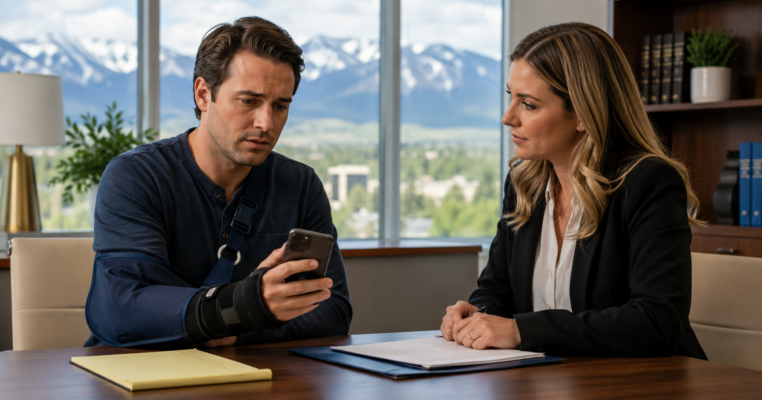
Social media platforms are an integral part of daily life, allowing people to share moments, experiences, and emotions instantly. Facebook, Instagram, TikTok, and Twitter are particularly popular, but they are also accessible to anyone with internet access. For individuals involved in a personal injury claim, this accessibility can work against them. Insurance companies frequently monitor public content to verify the extent of claimed injuries, and opposing counsel may collect evidence from posts that suggest activity inconsistent with your medical records or testimony. Even a post that appears trivial, such as a photo at a local park or a humorous comment, can be misinterpreted and used to undermine the severity of your injury. Legal professionals have observed numerous cases where social media evidence has played a pivotal role in settlement negotiations or trial outcomes, emphasizing the importance of cautious online behavior.
Why Some Social Media Content is Risky
Many people underestimate the potential impact of their social media content following an accident. Updates about your daily activities, physical abilities, or even casual remarks about recovery can be scrutinized closely. Posting images of walking, exercising, or completing household tasks may directly contradict medical evidence describing limited mobility or pain. Casual statements like “I feel fine” or “Getting better every day” could be misinterpreted as exaggeration, and comments that assign blame or speculate about accident causes can complicate liability issues. The accumulation of multiple small posts over time can create a pattern suggesting that the claimed injuries are less severe than described, which may influence the settlement amount or the court’s perception of credibility.






Insurance Companies and Social Media Monitoring
Insurance companies have become increasingly sophisticated in their investigation of injury claims, routinely reviewing public and private social media activity. Adjusters often compile posts, photographs, and videos to determine whether the claimant’s reported limitations align with observed behavior. For instance, attending a social event or posting a photo from a vacation could be presented as evidence of full functionality, challenging your assertion of pain or disability. Defense attorneys may also review content to build a narrative that disputes your claim. Because of these practices, any social media presence may potentially be used against you, making careful management of your accounts critical to protecting your claim.
Steps to Protect Your Digital Footprint After an Accident
The most effective way to safeguard your personal injury claim is to limit or suspend social media activity immediately after an accident. Adjust privacy settings to restrict visibility, but remember that no platform guarantees absolute privacy; courts can subpoena content if it is deemed relevant. Avoid posting photographs, videos, or updates that describe your activities, symptoms, or feelings related to the accident. Communicate with friends and family offline instead of sharing on social media, and make sure those close to you understand the importance of not posting content about your situation. If uncertain about a specific post, consulting an experienced Idaho personal injury attorney can help determine whether it may pose a risk to your claim.
Examples of Content That Can Undermine Your Claim
Posts that seem harmless may carry significant consequences. Examples include photographs of hiking, jogging, or engaging in household activities that require physical effort, check-ins at gyms or social events, comments joking about minor pain, and online conversations about fault or responsibility. Even indirect references, such as commenting on a friend’s post about your accident or responding to public discussions, can be interpreted in ways that challenge your claim. Legal professionals have observed that even a single post or private message can be used to question the severity of injuries or the credibility of a claimant’s testimony, demonstrating the importance of strategic caution online.
Understanding Idaho Legal Considerations
In Idaho, courts recognize that social media content can be relevant in personal injury cases. Discovery rules allow attorneys to request access to profiles, private messages, photos, and videos when they may provide evidence related to the claim. This means that even content shared with a limited audience could become part of the legal record. Judges and jurors may consider social media evidence when evaluating the extent of injuries, pain and suffering, or lost income claims. Being aware of these legal parameters underscores the importance of deliberate and cautious online behavior following an accident.
Rules of a Personal Injury Claim Choosing a Personal Injury AttorneyRelated Videos
Balancing Social Engagement and Legal Safety
It is possible to maintain social media connections while protecting your claim, but strict rules should guide online activity. Post only neutral, unrelated content, avoid discussions about the accident or injuries, and refrain from online debates regarding fault or liability. Use private messaging for sensitive communications, and advise friends and family against sharing information related to your situation. By carefully managing your digital presence, you preserve credibility and prevent posts from being misinterpreted or misused in a way that could harm your claim.
The Role of an Experienced Attorney
Consulting an Idaho personal injury attorney early can provide significant protection. Hepworth Holzer, LLP, can review your social media activity, identify potential risks, and provide guidance on safe sharing practices. Legal experts can also communicate with insurance companies and opposing counsel to ensure that your online presence does not negatively impact your claim. By involving an attorney from the outset, you can reduce the risk that social media content will undermine your credibility, preserve evidence, and strengthen your ability to pursue full compensation for medical bills, lost wages, and pain and suffering.
Verdicts & Settlements
Long-Term Considerations for Digital Behavior
Even after a claim has been filed, your digital footprint remains important. Avoid posting updates about the case, discussing settlement negotiations, or interacting with posts related to the accident. Consistent caution ensures that evidence collected does not contradict your testimony or medical documentation. Understanding the long-term implications of online activity helps you maintain credibility throughout the process and avoid unintentional harm to your claim.
Practical Tips for Everyday Online Use
- Refrain from posting anything that could be construed as inconsistent with claimed injuries.
- Avoid commenting on legal proceedings, medical treatment, or fault determination.
- Limit photos, videos, or check-ins that reveal physical activity.
- Use privacy settings but assume that nothing online is completely private.
- Consult with Hepworth Holzer, LLP, for guidance on what content is safe to share.
Resources for Injury Victims in Idaho
For guidance on specific types of accidents and protecting your rights, review these resources from Hepworth Holzer, LLP:
- Idaho car accident guide: https://hepworthholzer.com/2020/09/16/idaho-car-accident-guide/
- Steps after a truck accident: https://hepworthholzer.com/2020/10/19/steps-after-a-truck-accident/
- What you should know about your car accident claim: https://hepworthholzer.com/2017/11/30/what-you-should-know-about-your-car-accident-claim/
Social media activity can influence the outcome of a personal injury claim in Idaho more than many realize. Posts that seem harmless may be interpreted as evidence against your case, reducing compensation or challenging credibility. Limiting online activity, posting only neutral content, and consulting Hepworth Holzer, LLP, for guidance are essential to safeguarding your rights. By approaching digital engagement strategically, you maintain credibility, protect your claim, and focus on recovery and well-being.
This content is for informational purposes only and is not legal advice. Consult an attorney about your specific situation.