Dashcam footage can be powerful evidence after an Idaho crash because it may show what happened before, during, and after impact. A short video clip can help clarify speed, lane position, traffic signals, weather, road conditions, and driver behavior. Since Idaho uses comparative responsibility in injury claims, clear evidence can matter when an insurance company argues that more than one driver shares fault. Dashcam footage is most useful when it is preserved quickly, backed up safely, and reviewed with the rest of the crash evidence.






Why Dashcam Footage Matters After an Idaho Crash 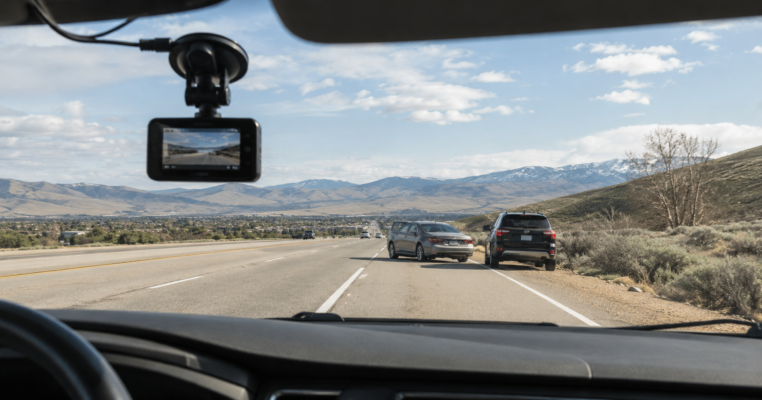
After a crash, fault is often disputed. One driver may say the light was green. Another may say a vehicle changed lanes without warning. A witness may only remember part of what happened. Insurance adjusters may review the same facts and reach different conclusions.
Dashcam footage can help cut through that uncertainty. It gives attorneys, insurers, and investigators a chance to see the sequence of events from a vehicle’s point of view. It may not answer every question, but it can provide context that written statements and photos cannot.
For example, dashcam video may show:
- A driver running a red light or stop sign
- A vehicle drifting out of its lane
- Sudden braking before impact
- A driver following too closely
- Road debris, construction zones, or visibility issues
- The position of vehicles after a crash
- A hit-and-run vehicle leaving the scene
In Boise, Meridian, and other Idaho communities where traffic can shift quickly between city streets, intersections, highways, and rural roads, video evidence may help explain why a crash happened. It can also protect an injured person from unfair blame.
How Fault Works in an Idaho Car Accident Claim
Fault is a central issue in most Idaho car accident claims. To recover compensation, an injured person generally must show that another party acted negligently and that the negligence caused harm. Negligence can include speeding, distracted driving, unsafe lane changes, failure to yield, impaired driving, tailgating, or ignoring traffic signals.
Idaho’s comparative responsibility system can make evidence especially valuable. If more than one person is blamed for the crash, fault may be divided by percentage. That percentage can affect the amount of compensation available. A driver who is assigned a share of responsibility may see their recovery reduced by that share.
This is why dashcam footage can matter. A video may show that the other driver had time to stop, entered an intersection too late, crossed a lane marker, or failed to react to obvious traffic conditions. It may also show that the injured person was driving reasonably.
For broader guidance on fault issues, the firm’s page on determining fault in an Idaho personal injury accident at https://hepworthholzer.com/2024/07/15/determining-fault-in-an-idaho-personal-injury-accident/ may be a helpful related resource.






What Dashcam Video Can Prove
A dashcam usually records from the front windshield, although some systems also capture rear-facing or interior footage. Depending on the angle, quality, and timing, the video may help prove several key facts.
Traffic signals and signs
Dashcam footage may show whether a light was red, yellow, or green when vehicles entered an intersection. It may also show stop signs, yield signs, turn arrows, lane markings, and temporary construction signs.
Vehicle speed and movement
A dashcam may not always provide a precise speed calculation, but it can help show relative speed and movement. For instance, video may reveal whether another vehicle approached too quickly, made an abrupt turn, or failed to slow with traffic.
Lane position
Lane position is often disputed after sideswipe, merging, and intersection crashes. Video may show whether a vehicle crossed a lane line, entered a turn lane, or merged without enough space.
Driver behavior
Dashcam footage may capture signs of distracted, aggressive, or reckless driving. It may show a driver weaving, braking without reason, following closely, or making a sudden lane change. If the crash involved distraction, the related page at https://hepworthholzer.com/boise-distracted-driving-attorneys/ may help readers understand how distraction can affect a claim.
Road and weather conditions
Although weather should not be blamed for every crash, Idaho roads can present real hazards at certain times of year. Video may show wet pavement, snow, glare, fog, low visibility, road debris, or traffic congestion. It may also show whether drivers adjusted their conduct for those conditions.
Statements and immediate reactions
Some dashcams record audio. That audio may capture horn sounds, impact sounds, or comments immediately after the collision. These details should be handled carefully because they may help or hurt a claim depending on the facts.
Dashcam Footage Is Helpful, But It Is Not the Whole Case
Dashcam footage can be strong evidence, but it is rarely the only evidence that matters. A camera records from one angle. It may miss a vehicle approaching from the side. It may not show what happened inside another vehicle. It may not capture road conditions behind the car. It may also be unclear at night, during glare, or during heavy precipitation.
A well-prepared Idaho crash claim often combines dashcam video with:
- Police crash reports
- Scene photos
- Vehicle damage photos
- Medical records
- Witness statements
- Traffic camera or business surveillance footage
- Cell phone records, when legally obtainable
- Vehicle data, when available
- Expert analysis in serious or disputed cases
This broader approach helps explain not only what happened, but why it happened and how the crash caused injury. Readers dealing with a recent crash may also find the firm’s Idaho car accident attorney page at https://hepworthholzer.com/boise-car-accident-attorneys/ useful.
Rules of a Personal Injury Claim Choosing a Personal Injury AttorneyRelated Videos
How to Preserve Dashcam Footage After a Crash
Many dashcams record in loops. That means the device may overwrite older video once storage is full. If you wait too long, the most important clip may disappear.
After a crash, take these steps when you can do so safely:
- Turn off automatic recording if needed to prevent overwriting.
- Save the crash clip and the minutes before and after impact.
- Back up the file to a computer, cloud account, or external drive.
- Keep the original memory card if possible.
- Do not edit, trim, filter, or alter the file.
- Write down the date, time, device model, and vehicle involved.
- Tell your attorney that dashcam footage exists.
The minutes before impact may be as important as the impact itself. They may show traffic flow, following distance, a changing signal, or a driver’s pattern of conduct. The minutes after impact may show the other vehicle’s location, statements, or attempts to leave the scene.
What If Another Driver Has Dashcam Footage?
Sometimes the most helpful footage is not in your vehicle. The other driver, a rideshare driver, a commercial vehicle, or a witness may have recorded the crash.
You may not be able to obtain that footage on your own. An attorney can take steps to identify potential video sources and send preservation requests before evidence is erased. In litigation, formal discovery tools may be available to request relevant recordings.
This can be especially important in truck accident cases. Commercial vehicles may have dash cameras, inward-facing cameras, GPS data, event recorders, or fleet monitoring systems. If a large truck was involved, the firm’s Boise truck accident lawyers page at https://hepworthholzer.com/boise-truck-accident-lawyers/ may provide more context about how these cases differ from ordinary vehicle crashes.
Verdicts & Settlements
Can Dashcam Footage Be Used in Court?
Dashcam footage may be used in a claim or lawsuit if it is relevant and properly authenticated. In plain English, someone may need to show that the video is what it appears to be and that it has not been changed in a misleading way.
That may involve testimony from the person who owned the camera, downloaded the file, or maintained the vehicle. It may also involve metadata, device information, chain of custody, or expert review if the footage is challenged.
Insurance companies may still dispute what a video shows. They may argue that the angle is limited, that the footage lacks context, or that it does not prove causation. This is one reason it helps to review dashcam footage alongside all other evidence rather than relying on a single clip alone.
Common Mistakes to Avoid With Dashcam Evidence
Dashcam footage can help your case, but mistakes can weaken its value.
Avoid these common problems:
- Posting the video online before your claim is resolved
- Sending the only copy to an insurance adjuster
- Editing the clip before legal review
- Deleting the minutes before or after impact
- Assuming the footage proves everything by itself
- Ignoring audio that may be included in the recording
- Waiting too long and allowing the file to be overwritten
Even if the footage seems favorable, speak carefully with insurance companies. Adjusters may ask questions designed to shift part of the blame. The article at https://hepworthholzer.com/2024/06/25/protecting-your-rights-after-a-car-accident/ may help explain how to protect your position after a crash.
Example Scenario: Boise Intersection Crash
Imagine a Boise driver is traveling through an intersection when another vehicle turns left across their lane. The turning driver claims the injured driver was speeding and had plenty of time to stop.
Dashcam footage may show the traffic light, the turning vehicle’s movement, and the injured driver’s path through the intersection. It may show that the injured driver had the right of way and that the other vehicle turned when it was unsafe. It may also show traffic moving at a normal pace before impact.
That video does not replace medical evidence, witness interviews, or vehicle damage analysis. Still, it may help prevent the insurance company from treating the case as a word-against-word dispute.
Example Scenario: Highway Crash Near Meridian
Consider a crash near Meridian where one driver claims another vehicle “came out of nowhere.” Dashcam footage from the injured driver’s car may show that the other vehicle was weaving through traffic for several minutes before impact. It may also show an unsafe lane change without enough space.
In that situation, the footage may help establish a pattern of unsafe driving. It may also help an attorney identify nearby vehicles, businesses, or traffic cameras that could have captured additional views.
When to Talk With an Attorney
You should consider speaking with an attorney when the crash caused injuries, fault is disputed, an insurance company is pressuring you for a statement, or dashcam footage may be overwritten soon. Early legal help can be useful because evidence is often easiest to preserve right after the crash.
An attorney can review the video, compare it with the crash report, identify missing evidence, communicate with insurers, and decide whether expert analysis may be needed. For serious injuries, the attorney can also connect the fault evidence with medical proof, wage loss documentation, and future care needs.
Hepworth Holzer, LLP offers a free consultation for people injured in Idaho crashes. If you have dashcam footage, or believe another driver may have it, the firm can help you understand your options and the next steps.
For injury claim guidance beyond vehicle crashes, visit https://hepworthholzer.com/boise-personal-injury-attorneys/.
Dashcam footage can be one of the clearest pieces of evidence after an Idaho crash. It may show how the collision unfolded, help answer fault questions, and reduce the risk that an insurance company unfairly blames the injured person. The key is to preserve the footage quickly, avoid altering it, and review it with the full set of evidence.
This article is for informational purposes only and is not legal advice. Consult an attorney about your specific situation.