Slipping on melted snow or ice in front of a Boise grocery store is an unfortunate situation that can lead to serious injuries. Whether you’ve fallen in a grocery store parking lot or at the entryway due to water pooling from melting snow, you might be wondering if you can seek compensation for your injury. Understanding how negligence works in Idaho premises liability cases is key to determining whether the store is responsible for your accident and whether you are entitled to compensation.





In this blog post, we’ll break down the factors that contribute to proving negligence in slip-and-fall accidents, especially when dealing with hazardous conditions like melted snow or ice at a business location. By the end, you’ll have a clearer idea of your rights as an injured party and how to navigate the process of holding the responsible parties accountable.
What is Premises Liability? 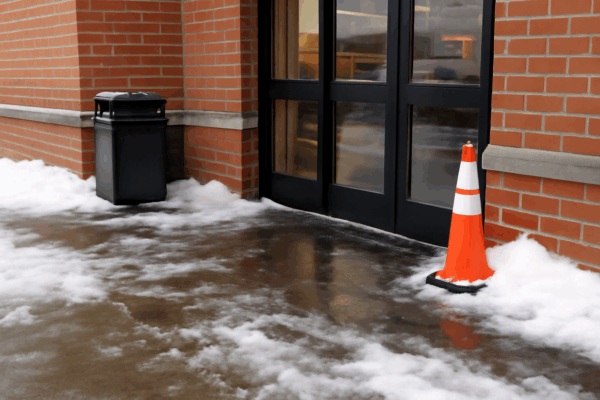
Premises liability is the area of law that holds property owners or occupiers responsible for accidents and injuries that occur on their property due to hazardous conditions. These types of cases can arise in many different settings, such as private homes, apartment complexes, retail stores, parking lots, and more.
In the context of slipping on melted snow at a grocery store, the business that owns or operates the store has a responsibility to ensure that the property is safe for its customers. This includes addressing potential hazards like ice or snow that can form on walkways, driveways, and entryways. If they fail to meet this responsibility, they can be held liable for the injuries that result.
Idaho law holds property owners accountable for injuries caused by dangerous conditions on their premises. The law recognizes that businesses that invite customers onto their property must maintain a reasonable standard of safety, meaning they must take steps to prevent foreseeable accidents from occurring. If you slip on a patch of ice or water left from melted snow, you might have a legitimate claim if the business was negligent in addressing the issue.






The Elements of Negligence in Idaho Premises Liability Cases
To succeed in a premises liability case in Idaho, you must prove that the property owner was negligent. Negligence is a legal concept that means the property owner failed to take reasonable precautions to prevent harm. Under Idaho law, negligence cases generally require proving the following four elements:
- Duty of Care
- Breach of Duty
- Causation
- Actual Harm
Let’s explore how these elements apply to a slip-and-fall accident caused by melted snow in a Boise grocery store.
1. Duty of Care: The Grocery Store’s Responsibility to Its Customers
In Idaho, as in most states, property owners owe a duty of care to visitors who enter their premises. This is especially true for businesses that invite customers onto their property. The duty of care requires that property owners keep their premises safe from hazards, which includes maintaining clean walkways and removing dangerous conditions such as snow and ice.
For a grocery store in Boise, this means ensuring that the entryway and parking lot are free of dangerous conditions, especially during the winter months when snow and ice are common. If a store owner or manager knows that melting snow is creating a slippery condition at the entrance, they must take reasonable steps to either remove the ice or salt the area to prevent accidents. The standard of care expected of businesses is higher than that of private property owners because customers expect to be safe when entering a commercial establishment.
2. Breach of Duty: When a Grocery Store Fails to Act
Once it’s established that the store owes a duty of care to its customers, the next step is to show that the store breached that duty. In a slip-and-fall case, a breach of duty occurs when the business fails to address a hazardous condition on its premises. In the case of melted snow or ice, this could involve:
- Failing to salt or shovel the walkway in a reasonable amount of time.
- Not posting warning signs about icy conditions.
- Allowing water from melting snow to pool on the entryway floor without cleaning it up.
The key point here is the store’s failure to act within a reasonable time frame to remove the snow or ice or to mitigate the danger. If the store was aware of the hazardous condition but did nothing to correct it, this is a breach of duty.
In Idaho, business owners are not expected to remove every speck of snow or ice immediately after it falls, but they are expected to take reasonable steps to address the condition within a reasonable period. If the snow has been sitting for hours without being cleared, or if the water from melting snow has pooled on the floor for an extended time, the store may be found negligent for failing to act promptly.
Rules of a Personal Injury Claim Choosing a Personal Injury AttorneyRelated Videos
3. Causation: Linking the Store’s Failure to Your Injury
To prove causation, you need to show that the store’s breach of duty directly caused your injury. For example, if you slipped and fell on water or ice that had accumulated from melting snow at the entryway, you must prove that the store’s failure to clear the hazard led to the fall.
Causation can be tricky in slip-and-fall cases because there may be multiple factors involved. For example, did you slip because the snow had not been cleared, or were there other contributing factors like a defective shoe or a personal medical condition?
The more evidence you have to link the store’s actions to the accident, the stronger your case will be. For instance, taking photos of the slippery area or showing witness statements can help establish that the store’s failure to act caused your fall.
4. Actual Harm: Documenting Your Injuries and Losses
Finally, in order to win a premises liability case, you must show that you suffered actual harm from the incident. This means you must have sustained injuries as a result of your fall, such as broken bones, sprains, head injuries, or other physical harm. Additionally, you must be able to demonstrate that the injury caused you financial losses, such as medical bills, lost wages, and pain and suffering.
In Idaho, the law allows you to seek compensation for these damages if you can prove the store’s negligence. If you slipped on melted snow, your medical records, photographs of your injuries, and testimony from doctors or other medical professionals will help you establish the severity of your harm.
Verdicts & Settlements
Factors That Can Impact Your Idaho Premises Liability Claim
Several factors can impact your ability to prove negligence and secure compensation for your slip-and-fall injury in Boise. These factors can include:
- Weather Conditions: If the snow is still falling and creating a hazardous condition, the store may not be expected to remove it immediately. However, once the weather clears, the store is expected to act quickly to prevent injuries.
- Timing of the Incident: How long has the snow or ice been present? If the hazard existed for an extended period and the store didn’t address it, this will strengthen your case.
- Prior Knowledge: If the store had prior knowledge of the hazardous condition and did nothing to fix it, this could be critical evidence of negligence. You may need to show that the store was aware of the snow or ice, either because of previous complaints, weather reports, or routine inspections.
- Warnings: Did the grocery store place warning signs or barriers around the slippery area? While warning signs can reduce the store’s liability, their presence may not absolve the store of responsibility if the signs were not adequately placed or visible to customers.
How to Strengthen Your Case for Negligence
If you’ve suffered an injury due to a slip-and-fall accident in a Boise grocery store, here are a few steps you can take to strengthen your premises liability case:
- Document the Hazard: Take pictures of the snow, ice, or water that caused your fall, as well as the surrounding area. Photos can serve as key evidence to demonstrate the dangerous conditions.
- Get Medical Attention: Seek medical treatment as soon as possible. Prompt treatment not only ensures your well-being but also provides medical documentation of your injury.
- Report the Incident: Notify the store management about the fall, and ask them to file an official incident report. This will create a formal record of your injury and the store’s awareness of the condition.
- Preserve Evidence: Save any clothing or shoes that were damaged during the fall. These items could help demonstrate that the condition of the premises contributed to your injury.
Proving negligence in a premises liability case involving melted snow or ice in Boise requires careful attention to the elements of duty, breach, causation, and actual harm. If you’ve been injured due to a store’s failure to address hazardous conditions, you may be entitled to compensation. To build a strong case, document the hazardous conditions, seek medical treatment, and work with an experienced personal injury attorney who can help you navigate the legal process.
At Hepworth Holzer, LLP, we are dedicated to helping victims of premises liability accidents pursue justice. If you’ve been injured due to negligence in a grocery store or other commercial property, reach out to us today for a free consultation to discuss your case.
To learn more about this subject click here: Fell on Wet Leaves at a Boise Store and Got Hurt? What to Know About Premises Liability