

As March approaches, many people begin to look forward to the end of winter and the start of warmer weather. However, while the melting snow can feel like a welcome change, it can also expose a variety of hidden hazards that could lead to accidents. Hepworth Holzer, LLP urges drivers, pedestrians, and cyclists to stay vigilant as the snow melts away, revealing dangerous conditions that are often overlooked. These conditions can lead to significant risks, from damaged roads to slippery surfaces, and even flooding. It’s important to understand the potential dangers that can arise during this seasonal transition to help reduce the likelihood of accidents.






The Hazardous Effects of Melting Snow on Roads 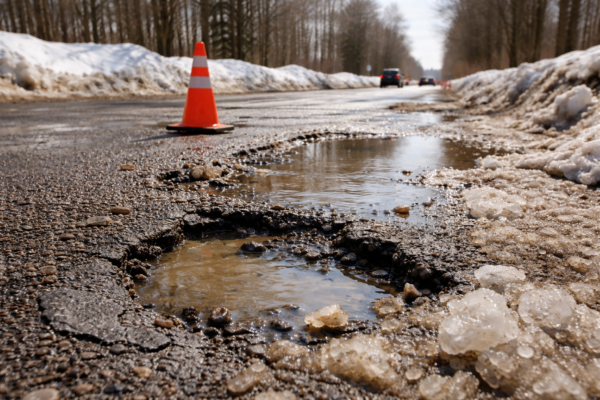
As the temperatures rise, snow begins to melt, but this process can create hidden dangers on the road. While many drivers might think the worst of winter is over, the thawing snow can lead to hazardous road conditions that may not be immediately visible.
The combination of melting snow and water runoff can create unpredictable driving surfaces. What might appear to be a damp road can actually be much more dangerous. Slippery patches and black ice often form, especially during the early mornings or late nights when temperatures drop again. Drivers may not notice these patches until it’s too late, potentially leading to skidding or losing control of the vehicle. Even minor accidents can lead to serious consequences when icy roads are involved.
Potholes and Structural Damage to Roadways
One of the most common hazards revealed by March snowmelt is the appearance of potholes. The freeze-and-thaw cycle weakens road surfaces, creating depressions in the pavement. As snow and ice melt and water seeps into these cracks, it can further erode the road and expand these holes. When drivers don’t see them in time, they may hit these potholes with force, causing vehicle damage, flat tires, or even loss of control.
Potholes can be especially dangerous for motorcyclists, cyclists, and pedestrians who may not have the protection of a vehicle in case they encounter one. The risk of falling off a bike or motorcycle when hitting a pothole is real, and pedestrians can easily trip or twist an ankle when they step into a pothole covered by snowmelt.






Flooding and Drainage Problems During Snowmelt
Another significant risk associated with snowmelt is flooding. The snow that accumulated over the winter melts rapidly in warmer temperatures, but the drainage systems may not be prepared to handle the sudden influx of water. This can lead to localized flooding in low-lying areas, streets, and even basements. The water may obscure deeper hazards, such as damaged road surfaces or debris, which could be dangerous for those driving or walking through the flooded areas.
While driving through flooded areas may seem like a minor inconvenience, it can actually be quite dangerous. Roads that seem passable can quickly give way to hidden obstacles or create sudden drops that might cause an accident. For pedestrians, walking through flooded streets can increase the risk of slipping or becoming trapped in areas where the current is too strong.
The Hidden Dangers of Slippery Sidewalks
Pedestrians face their own set of challenges during the snowmelt period. As the snow begins to melt, it often forms a layer of slush on sidewalks. While this may seem harmless at first glance, it can freeze overnight and create slippery patches. Pedestrians may not realize how dangerous these areas are until it’s too late.
Sidewalks are often neglected in the rush to clear roads, and the melting snow can pool in certain areas, especially where the drainage is poor. These conditions can cause people to lose their footing and fall, potentially suffering injuries such as sprains, fractures, or head injuries. Especially in urban areas, sidewalks may be slippery and filled with debris that can further complicate safe navigation.
Snowmelt and the Increased Risk of Pedestrian Accidents
Pedestrians should be particularly mindful of the changing conditions that snowmelt brings. Slippery sidewalks, hidden ice patches, and water runoff can make it challenging to walk safely, especially in areas where plowing or salting has been inconsistent. Many people may underestimate the danger and continue walking without considering how these hazards affect their footing.
For people who walk regularly or those who have to traverse busy areas to get to work or school, it’s crucial to take extra precautions. Wear footwear with good traction, stay on well-cleared paths, and avoid areas that are likely to be flooded or covered in ice. Additionally, people should pay attention to their surroundings and look ahead for areas where snowmelt has not yet been cleared, ensuring they can adjust their route if needed.
What Drivers Need to Know About Snowmelt Road Safety
While snowmelt presents a particular challenge for pedestrians, drivers must also be cautious when navigating the roads during this time. As snow and ice begin to melt, many drivers assume that the roads are no longer as dangerous as they were in winter. However, the transition period can be full of risks, such as black ice, poor visibility, and reduced traction.
When the road is wet from melted snow, drivers should reduce their speed to account for any hidden patches of ice. Be especially cautious on bridges, overpasses, and shaded areas, as these spots are often the first to freeze even when the air temperature is above freezing. Drivers should also be aware of debris on the road, which can be left behind by snowplows, and be prepared for sudden changes in the condition of the road surface.
Rules of a Personal Injury Claim Choosing a Personal Injury AttorneyRelated Videos
How to Stay Safe During the Snowmelt Transition
There are several key steps that individuals can take to protect themselves and their vehicles during the snowmelt period:
- For Drivers: Keep a safe distance from other vehicles, reduce speed, and be cautious of sudden stops or turns. Use headlights in conditions of low visibility and keep your windshield clean to maintain clear vision.
- For Pedestrians: Wear shoes with slip-resistant soles, watch for puddles or icy patches, and avoid walking in areas that are prone to flooding or have poor drainage.
- For Cyclists: Use extra caution when riding over uneven road surfaces or potholes that may be covered by melting snow or water.
Staying aware of changing conditions and adjusting your behavior accordingly is key to avoiding accidents and staying safe during this time of transition.
How Hepworth Holzer, LLP Can Help
If you or a loved one has been injured due to an accident related to snowmelt hazards, it is important to contact a personal injury attorney to discuss your options. Hepworth Holzer, LLP specializes in helping those who have been injured in accidents caused by hazardous conditions, including those brought on by snowmelt. We offer free consultations to assess the details of your case and provide legal advice on how to proceed.
To learn more about this subject click here: Differences Between Pedestrian Accidents and Auto Accidents

 |
 |