

Idaho’s Hands-Free Cell Phone Statute
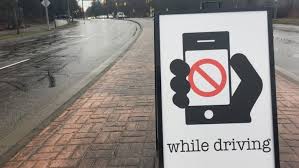 . This includes when stopped at a red light or stop sign. Basically- holding a cell phone illegal while operating a vehicle.
-
Drivers can only use electronic devices and mobile phones in hands-free mode,
-
Drivers are only permitted to touch devices to activate the hands-free mode.
-
Drivers are not permitted to hold or support any electronic device/phone
-
Activation of GPS, voice to text, and making or receiving calls is permitted only with one-touch or voice command
-
Handheld use is allowed only if the vehicle is both stationary and not located in a public travel lane
-
Drivers are not allowed to touch a device for texting, emailing, apps, video, or internet use
Hands-Free Cell Phones Still Allow For Distracted Driving
This new statue is an improvement over the old one which only prevented texting while the car was moving. Making hand held cell phone use illegal does not mean that hands free cellular communication technology is safe. There is a common belief held by many that hands-free devices are safer to use than hand-held cellphones while behind the wheel. The reality is that studies show using any type of cell phone use is distracting and can lead to a car accident.
The National Safety Council has reviewed substantial research on the issue. Those studies concur that the amount of distraction that occurs when using a hands-free cell phone remains significant. To fully understand why you need to understand that there are three types of distraction that impacts drivers.
The Type of Distraction Caused By Hands-Free Cell Phone Use
The first is cognitive distraction. It occurs when the driver focuses on something other than the act of driving, The second is visual distraction. Those occur when s driver removes their eyes off of the road. For example to search for a radio station, text, read something or dial a phone number. The third recognized type of distraction is a manual distraction. This is something that has drivers take their hands off of the steering wheel. A good example is when a driver reaches for something on the floor of the car.
Switching from a handheld cell phone to a hands free cellphones does eliminate the manual and visual distraction issues. However, cognitive distraction is not reduced. And the amount of distraction they cause is still dangerous. The NSC’s paper Understanding the Distracted Brain explains that research shows there is a 37% reduction in the amount of attention one pays to driving when using a hands-free phone.
Be Safe Out There
The best advice was, is and will remain don’t use your cell phone while driving. You do not want to be responsible for a collision that kills or injures another. Car accidents change lives. We see crash reports of collisions caused by distracted drivers that result in serious physical injuries, property damage and emotional trauma.
