

If you’re a business owner in Idaho, it’s important to understand the state’s strict liability law for product defects. Idaho is one of the many states that adhere to strict liability laws, which means that a manufacturer or seller of a defective product can be held liable for any damages or injuries that result from its use, regardless of whether they were negligent or not.
Here’s what you need to know about Idaho’s strict liability law for product defects.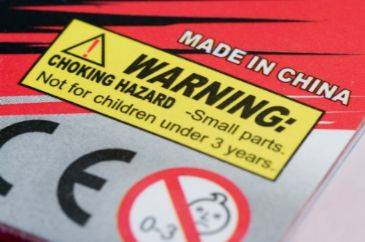
What is Strict Liability?
Strict liability is a legal doctrine that holds manufacturers and sellers strictly responsible for injuries or damages caused by their defective products. Under strict liability, a plaintiff (the injured party) does not need to prove that the manufacturer or seller was negligent, only that the product was defective and that the defect caused their injuries or damages.
Types of Product Defects
- There are three types of product defects that can result in strict liability claims: design defects, manufacturing defects, and marketing defects.
- Design defects occur when a product’s design is inherently dangerous or defective, making the product unreasonably dangerous even if it’s manufactured perfectly.
- Manufacturing defects occur when a product is manufactured incorrectly, resulting in a defect that makes the product dangerous.
- Marketing defects occur when a manufacturer fails to provide adequate warnings, instructions, or labels for a product, resulting in injuries or damages.






Different Types of Product Liability Claims in Idaho
Manufacturing defects
A manufacturing defect occurs when a product is not made according to its intended design. This means that the product is different from the intended design in some way that makes it dangerous to use. For example, if a car’s brake system is installed improperly, it may malfunction and cause an accident. In Idaho, a plaintiff can bring a product liability claim for a manufacturing defect if the product caused an injury that was a direct result of the defect and if the plaintiff was using the product in the way it was intended to be used.
Design defects
A design defect occurs when a product is designed in a way that makes it inherently dangerous, even if it is manufactured correctly. This means that the product is unsafe because of the way it was designed, regardless of how well it was made. For example, if a ladder is designed with rungs that are too far apart, it may be unstable and cause a fall. In Idaho, a plaintiff can bring a product liability claim for a design defect if the product caused an injury that was a direct result of the defect and if the plaintiff was using the product in the way it was intended to be used.
Failure to warn
A failure to warn occurs when a manufacturer does not provide adequate warning or instructions for the safe use of a product. This means that the manufacturer did not provide adequate warnings or instructions for the safe use of the product, and this failure to warn directly led to the injury. For example, if a prescription drug does not include a warning about potential side effects, the manufacturer may be liable for any harm caused by the drug. In Idaho, a plaintiff can bring a product liability claim for a failure to warn if the product caused an injury that was a direct result of the failure to warn and if the plaintiff was using the product in the way it was intended to be used.
Idaho’s Product Liability Law
Idaho’s product liability law is outlined in Idaho Code § 6-1401 et seq. To be successful in a strict liability claim, a plaintiff must prove:
- The product was defective;
- The defect was present at the time the product left the manufacturer or seller’s control;
- The defect caused the plaintiff’s injuries or damages; and
- The plaintiff was using the product as intended or in a foreseeable way.
If a plaintiff can prove these elements, they may be entitled to damages, including compensation for medical bills, lost wages, pain and suffering, and other damages.
Defenses for Product Liability Claims
There are several defenses that manufacturers and sellers can use to defend against a product liability claim in Idaho, including:
- The product was not defective;
- The plaintiff was using the product improperly or in an unforeseeable way;
- The plaintiff’s injuries or damages were caused by their own negligence or recklessness; or
- The plaintiff assumed the risk of using the product.
However, it’s important to note that these defenses are not always successful and must be proven by the manufacturer or seller.
It’s important to note that Idaho’s product liability law applies not only to manufacturers, but also to sellers, distributors, and suppliers in the chain of distribution. This means that any party involved in the production, distribution, or sale of a defective product could potentially be held liable for any resulting injuries or damages.
Statute of Limitations
If you believe you have a product liability claim in Idaho, it’s crucial to be aware of the statute of limitations. This is the time limit within which you must file a lawsuit after the injury or damage occurs. In Idaho, the statute of limitations for product liability cases is generally two years from the date of the injury. There are some exceptions and nuances to this rule, so consulting with an experienced attorney is advisable if you’re unsure about your specific case.
Exceptions to the Statute of Limitations
While the general rule in Idaho is that a product liability claim must be filed within two years of the injury, there are exceptions that can affect this timeline. One of the most common exceptions is the discovery rule. This rule applies in cases where the injury or defect was not immediately apparent. If you did not discover the injury or the cause of the injury until some time after the initial incident, the statute of limitations may be extended. Under the discovery rule, the two-year period begins on the date when the injury was discovered or reasonably should have been discovered.
Another exception involves cases where the injured party is a minor or is legally incapacitated. In such instances, the statute of limitations may be tolled, or paused, until the minor reaches the age of majority or the incapacitated person regains legal capacity. This can provide additional time to file a claim, but it is important to understand that these exceptions are not automatic and may require legal action to enforce.
Understanding Idaho’s strict liability law for product defects is crucial for any business that manufactures or sells products in the state. By ensuring that your products are safe and free from defects, providing adequate warnings and instructions, and consulting with experienced legal counsel if necessary, you can help protect your business and minimize the risk of facing a product liability claim.
Rules of a Personal Injury Claim Choosing a Personal Injury AttorneyRelated Videos
Idaho Polaris RZR Fire Lawyers
Polaris RZR fire injury claims continue to mount as these recreational off-highway vehicles (“ROV”) have ongoing issues with 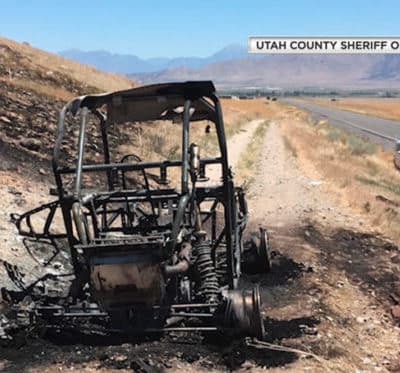 catching fire. As noted in the September 19, Idaho Statesman recently near Weiser Idaho a Polaris RZR fire led to the death of a 23 year-old passenger and serious burn injuries to the 52-year-old owner and driver. The fire and loss of life was also the lead story in this New York Times article “The Polaris RZR, an Off-Road Thrill That Can Go up In Flames.” Its not even the first major Polaris ROV-related fire incident in Idaho. A Polaris is also believed to have caused a major Idaho wildfire.
The dangers presented by the Polaris RZR’s continue. Risk of fire has led Polaris to recall about 600,000 vehicles over the last 13 years. Over half of the recalls were in 2016 and 2017. But the risks to consumers continue, on June 6, 2017 Polaris issued a stop ride because of a fire Hazard on 2019 RZR XP Turbos.
If you have suffered an injury because of a Polaris vehicle catching fire, the lawyers of Hepworth Holzer, LLP are here with the experience, resources and know-how to help you.
Polaris RZR Fires Have Been a Long Ongoing Risk For Recreationists.
Polaris RZR’s have been recalled repeatedly because of fire hazards. For example, some 53,000 Polaris RZR ROVs were recalled in 2015 with multiple reports of fuel line leaks causing fires. These included both RZR 900 and 1000 models with reports of burn injuries. These units catch fire easily when there is a fuel leak anywhere near the motor housing or frame. The leaking fuel line may catch on fire, posing serious burn hazards.
In 2018, the Consumer Product Safety Commission (CPSC) issued a record $27.25 million civil penalty against Polaris for failing to report in a timely manner overheating problems and fires caused by its Ranger and RZR all-terrain vehicles. The CPSC found Polaris knew RZR models for 2013-16 catch fire. It stated Polaris received 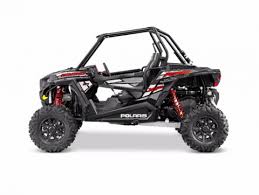 reports of 150 fires. One of those RZR fires resulted in the death of a child.
Polaris RZR Fires Kill and Maim People.
The Idaho case of the Polaris fire death is much like one from September 2017 in California. Paige Richmond was a passenger in a 2017 Polaris RZR riding through California’s Inyo National Forest. The vehicle became engulfed in flames.
The driver and a front passenger got out. A fellow back seat passenger escaped with serious burns. Richmond couldn’t get herself out. The driver finally got her out. She suffered burns over 65% of her body and after months of suffering succumbed to the burn injuries.
Many others have died in these fire incidents. People like Baylee Hoaldridge a 15-year-old. She was burned in July 2015, after a Polaris RZR in which she was a passenger tipped over and caught fire. Similarly Destiny Dixon and Deborah Swann, women from Arizona, burned to death when their Polaris Ranger tipped over in September 2016 in Utah.
Keylee Latham was maimed by a Polaris fire. As described in her lawsuit she was “riding in the back seat of the Polaris Ranger behind the right front passenger seat.” She was one of 4 people “taking trash to a dumpster located adjacent to the property they were visiting,” When “the Polaris Ranger took a left turn from a gravel road and subsequently tipped over onto its right side. This trapped Kaylee “underneath the vehicle and roll bar. Shortly thereafter, leaking gasoline caught fire under and around the rear seat of the Polaris Ranger and also on the ground where [she] was pinned and unable to move.” More than 60% of her body was covered in 3rd and 4th degree burns. She eventually had part of her right leg and her left foot amputated.
It Is Not Just The Polaris RZR That Presents Fire Risk, Its Other Products Are Dangerous As Well.
Polaris describes the reason for these incidents and recalls is “thermal hazards.” That is a corporate euphemism 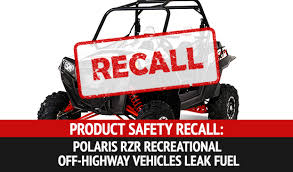 for the extreme dangers its products present to consumers. Its not just RZRs that burn. Many of its products do so including Rangers, Turbos, Generals, Slingshots, and snowmobiles. Polaris’ builds vehicles in the United States, Mexico and Taiwan. There are multiple causes of the fires, various recall notices mention things like leaking fuel lines and tanks, overheating engines and inadequate heat shields.
Call Us To Learn About Our Team Of Polaris RZR Fire Lawyers and Experts
Our award-winning injury attorneys understand the complexities of this type of products liability litigation. If you have suffered an injury because of a Polaris vehicle catching fire, the lawyers of Hepworth Holzer, LLP are here with the experience, resources and know-how to help you.
Verdicts & Settlements
At Hepworth Holzer, LLP, we have a team of experienced attorneys who focus on personal injury law, including product liability cases. If your business is facing a product liability claim in Idaho, we can help you understand your legal rights and obligations under Idaho’s strict liability law for product defects.
We understand that product liability cases can be complex and time-consuming, which is why we are committed to providing our clients with personalized, responsive representation. We will review the facts of your case, investigate the cause of the defect, and work with experts to build a strong defense on your behalf.
We can also help you take proactive steps to minimize your risk of facing a claim in the future. We can provide guidance on product design and safety, help you develop adequate warnings and instructions, and advise you on best practices for product testing and quality control.
At Hepworth Holzer, LLP, we are dedicated to providing our clients with the highest level of legal representation and personalized attention. If you need help understanding Idaho’s strict liability law for product defects or defending against a product liability claim, we are here to help. Contact us today to schedule a consultation.





 |
 |