

Winter driving in Boise can be treacherous, with snow, ice, and fog creating challenging conditions for motorists. Unfortunately, these weather factors also contribute to a higher rate of accidents during the colder months. While drivers may be familiar with the process of filing insurance claims or lawsuits after an accident, passengers often wonder if they have the same rights when they are injured. If you were a passenger involved in a winter car accident, you might be entitled to compensation, even though you weren’t the one behind the wheel. This guide explains when and how passengers can file a lawsuit in Boise, Idaho after a winter car accident, and what legal steps to take to protect your rights.






Legal Rights of Passengers in Boise 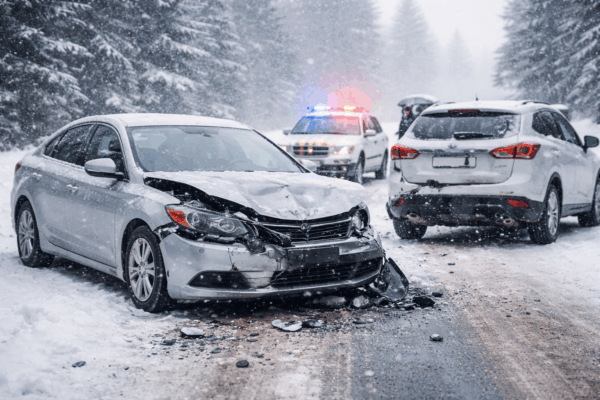
In Boise, passengers involved in car accidents generally have legal protections, particularly if they are injured due to the negligence of another driver. Unlike drivers, who may be responsible for their actions on the road, passengers are considered innocent parties and can file a lawsuit against the at-fault party to recover compensation for their injuries.
Passengers can pursue legal action when an accident is caused by another driver’s negligence. This includes accidents where:
- The driver of the vehicle the passenger was in causes the crash.
- Another driver causes the accident due to their own negligence (e.g., running a red light, speeding, or failing to yield).
In Idaho, the law provides a pathway for passengers to seek compensation for medical expenses, pain and suffering, and other damages resulting from the accident. It is important for passengers to understand that they do not need to be at fault in the crash to file a lawsuit. However, there are specific factors to consider before taking legal action.
When Can Passengers File a Lawsuit?
Passengers who are injured due to the negligence of another driver can file a lawsuit for damages. The process of filing a lawsuit is similar to that of any other personal injury claim, with the main difference being that the passenger is seeking compensation from either the at-fault driver or the driver of the vehicle they were in.






There are several scenarios in which passengers may have grounds to file a lawsuit after a winter car accident:
- Driver Negligence
If the driver of the car you were a passenger in was negligent and caused the accident, you may have the right to file a claim against them. For example, if the driver was speeding, distracted by their phone, or failing to adjust to winter road conditions (e.g., driving too fast on icy roads), their negligence could be the direct cause of the accident. - Negligence of Another Driver
If another driver caused the crash through their negligence, such as running a red light, failing to stop at a stop sign, or driving recklessly, passengers can file a lawsuit against the at-fault driver. In such cases, the passenger can seek compensation from the responsible driver’s insurance company or file a personal injury lawsuit if necessary. - Multiple Parties Involved
In some cases, multiple vehicles may be involved in the accident. This can occur when one driver loses control on icy roads and collides with another vehicle. In these types of accidents, passengers can file a lawsuit against one or more of the drivers involved, depending on who was at fault for the crash.
What Passengers Need to Prove in a Lawsuit
To file a successful lawsuit, passengers must prove certain key elements of their case. These include:
- Duty of Care: The driver had a legal obligation to drive safely and responsibly, especially given the winter road conditions.
- Breach of Duty: The driver’s actions or inaction violated this duty. For instance, if the driver was speeding on icy roads, they breached their duty of care.
- Causation: The driver’s breach of duty must have directly caused the accident and the passenger’s injuries. For example, if the driver lost control of the vehicle due to speeding, leading to a crash, the driver’s actions caused the passenger’s injuries.
- Damages: The passenger must show that they were harmed as a result of the accident. This could include physical injuries, medical bills, emotional distress, or lost wages due to the inability to work while recovering.
Rules of a Personal Injury Claim Choosing a Personal Injury AttorneyRelated Videos
Winter Conditions and the Impact on Car Accidents
The winter months in Boise are notorious for dangerous driving conditions. Snowstorms, icy roads, and low visibility can make even the most experienced drivers vulnerable to accidents. As a passenger in a car during these conditions, your chances of sustaining serious injuries can increase if the driver is not properly prepared for the winter conditions or is negligent in their driving.
During the winter season, several factors contribute to car accidents:
- Icy and Slick Roads: Icy patches, especially on bridges, overpasses, and shaded areas, can make vehicles skid out of control. Drivers may struggle to maintain traction, leading to crashes.
- Low Visibility: Fog, snow, or even just the glare of the sun reflecting off the snow can make it difficult for drivers to see pedestrians, other cars, and obstacles on the road.
- Snow Accumulation: Accumulation of snow on roadways can cause cars to lose control, especially if drivers fail to clear their windshields and headlights adequately.
In these dangerous conditions, it is crucial for both drivers and passengers to be aware of the risks. However, if you were injured in such conditions due to the negligence of the driver or another driver, you have the right to seek compensation.
Steps to Take After a Winter Car Accident in Boise
If you are a passenger involved in a winter car accident in Boise, there are specific steps you should follow to protect your health, your legal rights, and your ability to file a successful lawsuit.
- Seek Immediate Medical Attention
It is important to seek medical care immediately after a car accident, even if your injuries appear to be minor. Some injuries, like whiplash, concussions, or internal injuries, may not be immediately visible. By seeking prompt medical attention, you ensure your injuries are documented, which can be vital if you decide to file a lawsuit. - Document the Scene
Take photos of the accident scene, the vehicles involved, road conditions, and any visible injuries. This evidence can help strengthen your case later. Additionally, make sure to get the names, contact information, and insurance details of all parties involved in the accident, including any witnesses. - File a Police Report
If you have not already done so, file a police report for the accident. A police report can provide an official account of the incident, which may be useful in establishing fault. If the accident occurred on a busy street or highway, a police report will also provide the details of how the authorities responded to the scene. - Consult a Personal Injury Lawyer
Consulting with a personal injury lawyer specializing in car accidents is one of the most important steps you can take. A lawyer can evaluate your case, help you determine who is responsible for the accident, and guide you through the process of filing a lawsuit. A lawyer will also work to ensure that you receive the compensation you deserve, whether through negotiation with insurance companies or by pursuing legal action in court.
Potential Compensation for Passengers
Passengers who file lawsuits after an accident can receive compensation for various types of damages, including:
- Medical Bills: This covers any medical expenses incurred due to the accident, such as hospital stays, surgeries, medications, and physical therapy.
- Lost Wages: If you were unable to work due to your injuries, you might be entitled to compensation for lost income during your recovery.
- Pain and Suffering: This can include both physical pain and emotional distress resulting from the accident. Pain and suffering compensation can also account for any long-term impact the injuries may have on your quality of life.
- Property Damage: If any personal property was damaged in the accident, such as your phone, clothing, or other belongings, you may be entitled to compensation for those losses as well.
Statutes of Limitations in Idaho
In Idaho, the statute of limitations for filing a personal injury lawsuit is generally two years from the date of the accident. It’s important to be aware of this time frame because if you fail to file a lawsuit within the allowed period, you may lose your right to seek compensation altogether.
How a Lawyer Can Help You
A personal injury lawyer can provide valuable assistance in various ways, including:
- Investigating the Accident: Your lawyer can gather evidence, including medical records, police reports, and eyewitness statements, to build a strong case.
- Dealing with Insurance Companies: Insurance companies often try to offer settlements that are lower than what you deserve. A lawyer can negotiate on your behalf to ensure you receive a fair settlement.
- Filing and Managing the Lawsuit: If the case goes to court, your lawyer can file the necessary paperwork, represent you in court, and ensure that your interests are protected throughout the legal process.
Why Choose Hepworth Holzer, LLP?
At Hepworth Holzer, LLP, we understand the emotional, physical, and financial toll that a car accident can have on you. Our team of experienced personal injury attorneys is dedicated to helping injured passengers in Boise and throughout Idaho. We have the expertise to navigate the complexities of personal injury law and will fight to ensure that you receive the compensation you deserve.
If you or a loved one has been injured as a passenger in a winter car accident, contact Hepworth Holzer, LLP today for a free consultation. Let us help you take the first step toward recovery.
Disclaimer: This is for informational purposes only and does not constitute legal advice. Please consult an attorney regarding your specific case.
To learn more about this subject click here: Understanding Car Accident Claims for Accidents Involving Potholes

 |
 |