In Idaho, winter weather, particularly icy roads, is a common factor in many car accidents during the colder months. However, the mere presence of icy roads does not automatically determine the outcome of an accident claim. Whether you have a case depends on multiple factors, including the conditions of the road, the behavior of the drivers involved, and the ability to prove fault. To understand your rights, it’s essential to dive into the concept of negligence and how Idaho’s legal system handles weather-related accidents.
Negligence plays a significant role in Idaho personal injury cases, including those involving car accidents. Essentially, negligence refers to the failure of one party to take reasonable actions to prevent harm to others. Even if the road conditions were poor, drivers still have a responsibility to adjust their behavior accordingly. This means driving at reduced speeds, keeping a safe distance from other vehicles, and being mindful of potential hazards.
Idaho’s Negligence Law and Your Right to Compensation 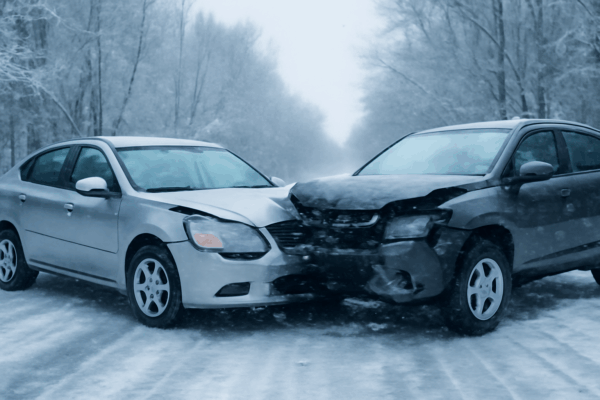
Idaho follows a comparative negligence system. This means that if you are partially at fault for the accident, you can still recover damages, but your compensation may be reduced by your percentage of fault. For instance, if you were driving too fast for the icy conditions but another driver failed to yield at an intersection, causing the crash, both parties could share some responsibility.






In personal injury cases, you must prove that the other party’s negligence directly caused the accident and your injuries. Even in winter weather, drivers must exercise caution. If a driver loses control of their vehicle on icy roads due to excessive speed, failure to maintain a safe distance, or distracted driving, they may be held liable for the accident. Conversely, if you were driving cautiously but were still involved in an accident due to someone else’s reckless behavior, you could potentially receive compensation for damages.
How Weather Conditions Impact Fault Determinations
While icy conditions can be a contributing factor in an accident, it’s important to understand that roads being icy doesn’t automatically absolve a driver of responsibility. It simply means that drivers must take extra precautions. Some common examples of how fault is determined in icy road accidents include:
- Driving Too Fast for Conditions: Even if you’re under the posted speed limit, driving too fast for the weather conditions can be considered negligent. If a driver is speeding on icy roads and causes an accident, they can be held liable.
- Failing to Control Your Vehicle: Icy conditions require drivers to adjust their speed, braking distance, and steering. If a driver loses control of their vehicle due to failure to adjust for icy roads, they may be responsible for the accident.
- Not Using Winter Tires or Snow Chains: Idaho law doesn’t require drivers to use winter tires or snow chains, but failing to do so in severe weather can be seen as negligence in some cases.
- Improper Lane Changes or Tailgating: Even on icy roads, drivers must exercise caution when changing lanes, merging, or following other vehicles. Failure to maintain a safe distance can result in an accident that makes the driver at fault.
When proving fault, it’s important to gather evidence, such as police reports, witness statements, and photos of the road conditions and vehicle positions at the time of the accident. This evidence helps establish the circumstances and determine who is at fault.
Comparative Fault and Its Impact on Compensation in Idaho
Idaho’s comparative fault rule allows for the allocation of blame between the parties involved in an accident. This means that if you are partially at fault for the accident, you can still recover compensation, but the amount may be reduced based on your degree of responsibility. For instance, if you were 20% at fault for driving too fast for the icy conditions, your compensation would be reduced by 20%.
This rule works both ways. If the other driver is found to be partially responsible for the accident (for example, they failed to yield or were distracted), their percentage of fault will be deducted from your total damages. This ensures a fair outcome, but it also underscores the importance of documenting all aspects of the accident to establish the level of responsibility each driver holds.
Steps to Take After an Accident on Icy Roads
If you’ve been involved in a car accident on icy roads in Idaho, it’s crucial to take the right steps immediately following the incident to protect your legal rights. The actions you take after the accident can significantly impact the outcome of your claim.
Rules of a Personal Injury Claim Choosing a Personal Injury AttorneyRelated Videos
1. Document the Scene Thoroughly
It’s important to gather as much evidence as possible. Take photographs of the icy conditions, the location of the accident, any visible damage to the vehicles, and the surrounding area. Make note of the time and weather conditions, as these can play a role in proving your case.
2. Call the Police
Always report the accident to the police. In Idaho, a police report is essential for your claim, as it provides an objective account of the incident. Be sure to request a copy of the report for your records.
3. Seek Immediate Medical Attention
Even if you don’t feel injured at the time of the accident, it’s crucial to seek medical care. Some injuries, especially those caused by car accidents on icy roads, may not become apparent until later. Seeking medical attention ensures that your injuries are documented and helps you receive the care you need.
4. Contact an Experienced Idaho Accident Attorney
Navigating a car accident claim involving icy road conditions can be complex. An experienced personal injury attorney can help you understand your legal rights, assess the evidence, and guide you through the process of filing a claim.
The Role of Expert Testimony in Winter Weather Accidents
In some cases, expert testimony may be required to prove that road conditions played a role in the accident. For example, accident reconstructionists can help determine how icy conditions impacted the vehicles’ movements and whether the drivers involved were acting negligently. Experts can also testify about the severity of the weather and its effect on driving conditions, which is critical when proving fault.
Verdicts & Settlements
Common Misconceptions About Icy Road Accidents in Idaho
Many drivers believe that if they are involved in an accident on icy roads, they will automatically be seen as not at fault due to the weather conditions. This is not true. While winter weather can make driving more dangerous, it does not excuse negligent driving behavior. Drivers are still responsible for maintaining control of their vehicles and exercising caution.
Additionally, some individuals believe that if they are involved in an accident during a snowstorm or icy conditions, their claim will be automatically denied. However, this is a misconception. As long as you can prove that the other driver was negligent and that their actions directly caused the accident, you can still pursue a valid claim, regardless of the weather.
Winter driving in Idaho presents unique challenges, and icy roads can contribute to accidents that cause serious injuries. However, just because the roads were icy does not mean you automatically don’t have a case. If you can prove that another driver’s negligence played a role in the accident, you may be entitled to compensation for your injuries, medical bills, lost wages, and pain and suffering.
If you’ve been involved in an accident involving icy roads, it’s crucial to consult with an experienced personal injury attorney who can help you navigate the complexities of Idaho’s legal system and ensure that your rights are protected. At Hepworth Holzer, LLP, we offer free consultations to discuss your case and help you understand your options. Don’t hesitate to contact us for expert legal guidance.
To learn more about this subject click here: Common Mistakes During a Car Accident Case